This research investigates the safety of hydrogen vehicles and refuelling infrastructure using advanced computer simulations of fires and explosions. Findings suggest protective barriers can reduce blast pressures by 60–90%. The work provides evidence for future safety standards, helping enable wider adoption of hydrogen transportation while protecting people, property, and communities.

This research develops a co-design optimization framework for microgrids that simultaneously designs physical infrastructure and control systems. By improving both reliability and cost-effectiveness, it enables more resilient renewable energy networks, supports upgrades to existing microgrids, and helps communities maintain electricity during extreme weather events and grid failures.
2025
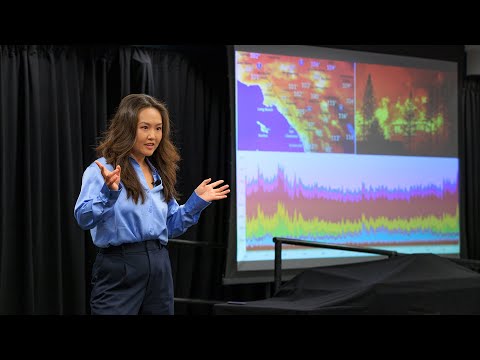
This research uses functional regression to forecast how climate change will affect electricity demand across California. By modeling complete demand patterns rather than isolated data points, it aims to help design smarter, more resilient, and more equitable power grids that reduce outages during increasingly frequent heatwaves and extreme weather.
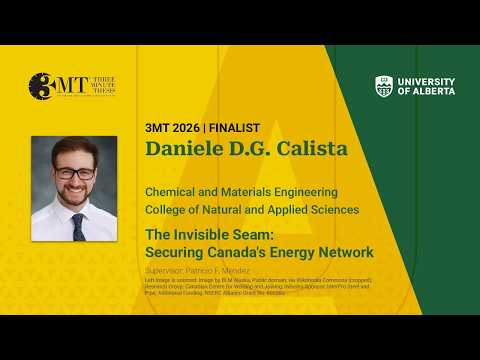
This research improves electric resistance welding by modelling heat transfer and weld formation physics. By identifying and controlling the weld point location, it replaces trial-and-error with predictive engineering rules. The work enables stronger, safer pipelines, supporting the adoption of advanced materials needed for reliable infrastructure in a clean energy future.
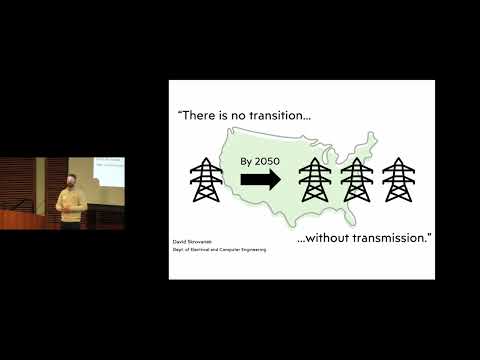
Achieving a carbon-free future requires not only renewable energy generation but also major upgrades to electricity transmission. This research develops electrostatic generators that produce high-voltage DC power more efficiently and sustainably than current technologies. By reducing costs and reliance on rare materials, the work supports grid expansion and large-scale decarbonisation.