
This research investigates how the structure of comb polymers influences their ability to stabilize materials in applications ranging from fragrances and food products to wastewater treatment and drug delivery. By systematically modifying polymer architecture, the study identifies design rules that enable more effective, affordable, and targeted performance across diverse industrial and medical uses.
This research explores the untapped potential of locally produced Ontario wool. By processing raw fleece into textiles and studying the characteristics of different sheep breeds, the project highlights how valuable, sustainable materials are being wasted due to a lack of processing infrastructure and advocates for rebuilding local wool economies
2026
This research develops biodegradable “living” water filters grown from kombucha cellulose membranes. Unlike conventional plastic filters, these biofilters can self-defend against harmful microbes and self-repair when damaged. The work aims to create affordable, sustainable, and effective water filtration systems that reduce plastic waste while improving access to clean drinking water.

2025
This research develops a new chemical process for modifying cellulose while keeping it in water, overcoming longstanding compatibility problems between cellulose and oil-soluble molecules. The method enables cellulose to incorporate electronic and pharmaceutical components, opening pathways toward sustainable electronics, advanced materials, targeted medicines, and greener technologies based on renewable natural resources.
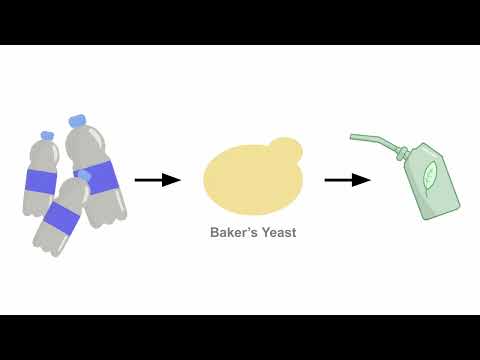
This research engineers yeast to convert PET plastic waste into valuable chemicals like PCA, enabling the production of biofuels, pharmaceuticals, and biodegradable materials. By transforming low-value plastic into high-value products, it offers a scalable biotechnological solution to reduce pollution and support the transition to sustainable, circular economies.

This research addresses the trade-off between sustainability and performance in plastics. By developing a “molecular spring” derived from biomass, the work strengthens biodegradable materials like PLA and enables multifunctional bioplastics. The goal is to create durable, convenient, and sustainable alternatives that support a circular economy without sacrificing everyday usability.

2026
This research addresses plastic waste by rethinking polyethylene recycling. Instead of breaking polymers down, it explores chemical upcycling—adding functional groups to create higher-value materials. By transforming waste into useful products, this approach aims to enable a circular plastics economy, reduce pollution, and provide sustainable alternatives to current inefficient recycling methods.

2025
Over 11 million U.S. homes rely on toxic lead pipes. Bioderived polyethylene offers a safer replacement, but long-term durability must be ensured. This research studies how chlorine degrades pipe materials and how molecular branching improves resilience. Accelerated aging tests link polymer structure to performance, guiding design of longer-lasting, reliable water infrastructure.

This research transforms agricultural waste into biochar-based activated carbon for batteries and supercapacitors. By replacing costly materials, it improves energy storage performance while reducing costs, offering a sustainable and affordable solution that turns waste into valuable resources for future energy technologies.

Industrial combustion residue can strengthen concrete but varies in impurity content. This research uses X-ray imaging and computer vision to identify and quantify impurities in residue particles. The results help cement manufacturers optimize material use, improving quality, reducing costs, and supporting sustainable recycling of industrial waste.