This research develops biodegradable “living” water filters grown from kombucha cellulose membranes. Unlike conventional plastic filters, these biofilters can self-defend against harmful microbes and self-repair when damaged. The work aims to create affordable, sustainable, and effective water filtration systems that reduce plastic waste while improving access to clean drinking water.
2026
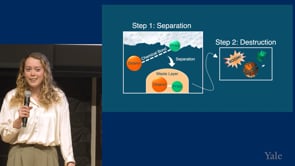
This research presents a simple, low-energy method to remove and destroy PFAS “forever chemicals” from water. By chemically transforming PFAS to behave less like soap, over 98% can be separated and fully degraded, offering a scalable and environmentally friendly solution to widespread drinking water contamination.
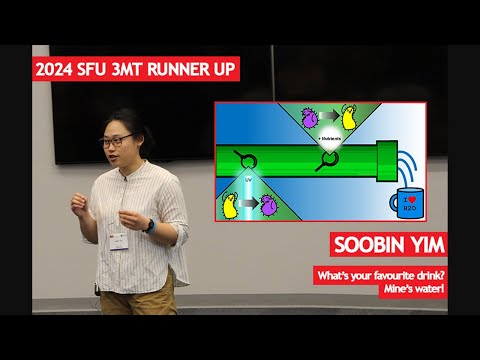
This research examines how microbes in drinking water recover after UV disinfection. By adding nutrients to UV-treated samples and identifying microbes through DNA sequencing, the study tracks which organisms survive, regrow, and thrive over time. The goal is to improve treatment systems and ensure safer, more stable drinking water during distribution.