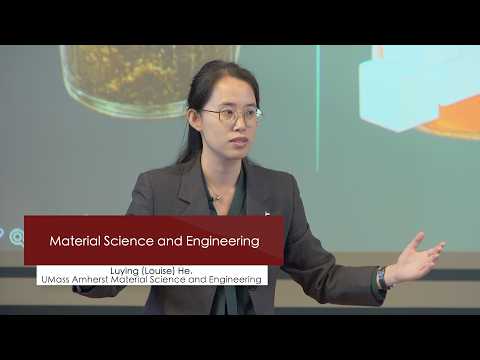
This research investigates how the shape, size, and surface chemistry of carbon nanomaterials influence their ability to remove contaminants from complex wastewater. By systematically testing nanomaterial variations against pollutants such as microplastics and petroleum derivatives, it aims to establish design rules that enable more effective, real-world water treatment technologies.


This research investigates near-wall turbulence, the chaotic fluid motion responsible for much of aerodynamic drag in transportation systems. Using high-resolution computational simulations and predictive modelling, the work aims to better understand turbulence near surfaces, enabling more efficient aerospace designs, reduced fuel consumption, and potentially major reductions in greenhouse gas emissions.

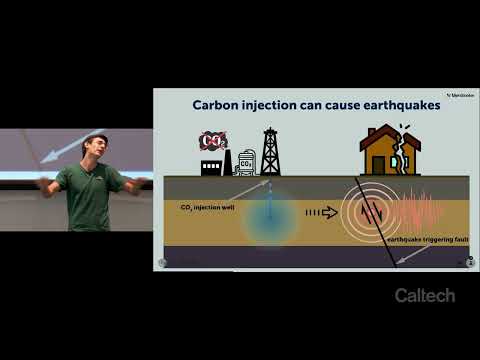
This research investigates earthquake risks associated with underground carbon dioxide storage. By studying seismic activity at the Decatur CO2 storage project, the work improves predictive geological models that account for hidden subsurface structures. The findings aim to make large-scale carbon storage safer, protecting both the climate and nearby communities.

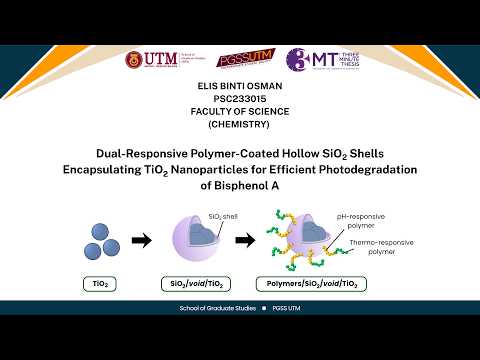
This research tackles removal of Bisphenol A from water using light-activated materials. By combining titania with a silica shell and a responsive polymer “gate,” the system adapts to changing conditions like pH and temperature, improving pollutant breakdown under visible light and enabling smarter, more efficient water purification.

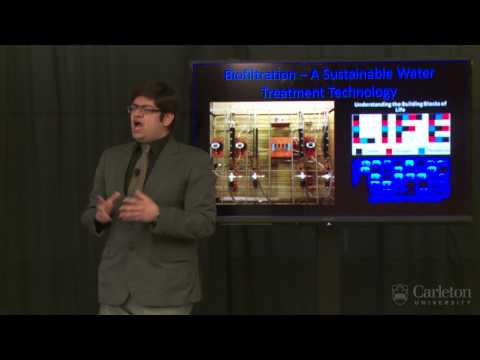
This research explores biofiltration as a sustainable alternative to chemical water treatment. By supplying bacteria with nutrients like nitrogen and phosphorus, it improves removal of harmful organic matter. Results show a 20% efficiency increase, reducing chemical use and risks, and offering a cost-effective solution for safe drinking water worldwide.

This research develops sustainable solid biofuels using organic waste instead of food crops. By recycling water and catalysts in a high-temperature process, it reduces energy consumption and improves fuel quality. The work addresses key challenges of feedstock and efficiency, advancing environmentally friendly alternatives for heating, power generation, and industry.

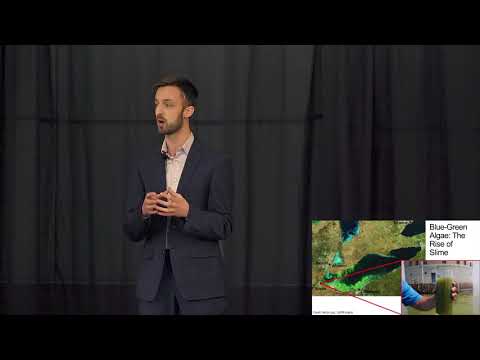
This research tackles harmful cyanobacteria blooms that threaten drinking water. Using ceramic membrane filtration, it prevents toxin release by retaining intact cells. Improved cleaning methods with eco-friendly chemicals enhance membrane efficiency and longevity. The work aims to ensure safe water treatment as climate change increases the frequency and severity of algal blooms.

This research examines whether stormwater management ponds support bird biodiversity as effectively as natural wetlands. Focusing on red-winged blackbirds, it compares habitat quality and ecological drivers of species diversity. With widespread wetland loss, findings aim to improve pond design and retrofitting to better support wildlife within urban environments.