This research develops Roblonski, a compact robotic platform that automates photoredox chemistry using microscopic droplets and visible light. By reducing chemical use, waste, and manual effort by over 90%, it generates high-quality data for AI-driven discovery, paving the way for faster, greener, and more intelligent self-driving chemistry laboratories.

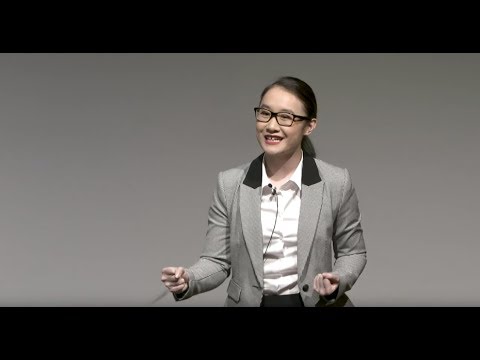
This research develops intelligent polymer membranes that selectively capture carbon dioxide using molecular simulations to design highly efficient gas-separation materials. By improving carbon capture at industrial sources, the technology could reduce greenhouse gas emissions, support cleaner energy systems, and contribute to tackling one of the world's greatest challenges: climate change.

The talk explains how drug discovery struggles with the enormous size of chemical space, where only a few molecules become effective medicines. Using miniaturized chemical libraries and off-rate screening, the researcher accelerates structure–activity relationships (SAR) mapping without purification. This approach has already produced promising breast-cancer drug candidates and could dramatically reduce drug-development costs.