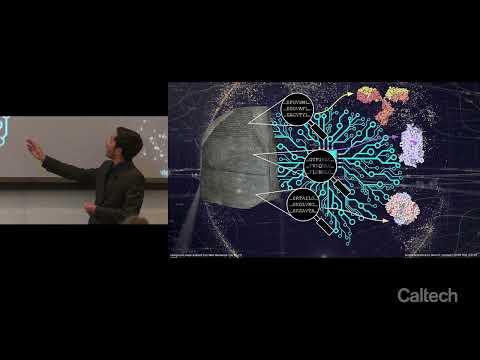
This research applies large language models to decode and design proteins by treating amino acid sequences as biological languages. By identifying hidden structural and functional patterns across massive protein datasets, the work enables creation of novel proteins for medicine, cancer therapy, carbon capture, and environmental remediation beyond naturally evolved biological systems.

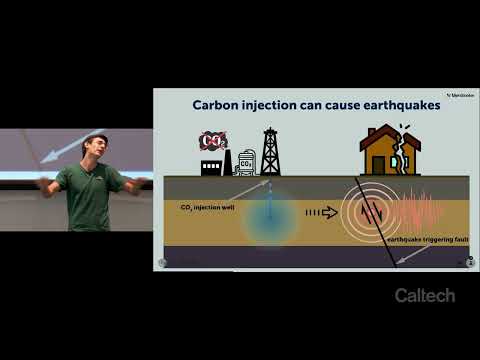
This research investigates earthquake risks associated with underground carbon dioxide storage. By studying seismic activity at the Decatur CO2 storage project, the work improves predictive geological models that account for hidden subsurface structures. The findings aim to make large-scale carbon storage safer, protecting both the climate and nearby communities.

This research explores converting CO₂ into fuel by designing surfaces that promote carbon–carbon bonding. Using porous materials to concentrate CO₂, it increases reaction efficiency and enables formation of longer hydrocarbon chains. This approach could transform atmospheric carbon into usable fuels, offering a sustainable pathway for future energy production.

This research uses a traffic analogy to explain gas transport challenges in carbon dioxide electrolysis devices. Despite identical porosity, microstructural connectivity determines performance under flooding conditions. Computational modelling reveals how pathway structure affects efficiency, guiding design improvements that enhance CO₂ conversion into fuels and chemicals, supporting scalable and cleaner energy technologies.

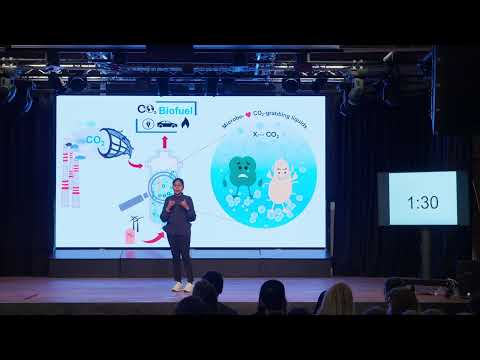
Current CO₂ capture methods are inefficient and harmful to microbes used for biofuel production. This research studies how CO₂-capturing liquids damage fuel-producing microbes and identifies tolerant strains. By understanding microbial responses at the genetic level, it aims to design microbe-friendly capture systems that convert carbon dioxide into useful fuels.

The talk describes using AI language models to decipher the hidden “languages” within millions of natural protein sequences. By learning protein vocabulary, syntax, and grammar, researchers can design new molecules that fight cancer, degrade plastics, capture carbon, and expand biology beyond nature’s rules—advancing medicine, sustainability, and molecular engineering.

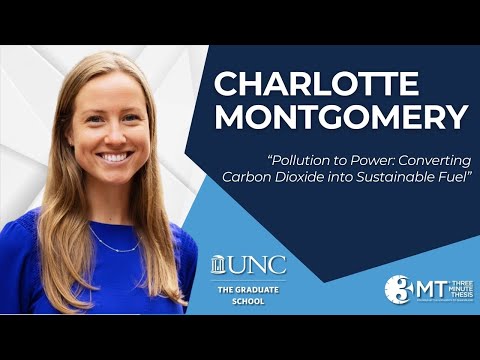
This research develops improved catalysts that convert atmospheric carbon dioxide into sustainable fuel. By analysing how molecular design affects reaction efficiency, selectivity, and durability, the work creates strategies to accelerate the chemical process and prevent breakdown. The findings support large-scale renewable energy storage and help integrate clean fuels into future energy systems.