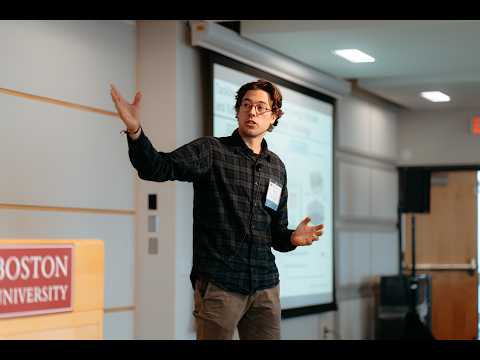
This research develops a low-temperature carbon-capture material that uses waste heat from solar panels to release captured CO₂. By reducing energy requirements from hundreds of degrees to just 70°C, the technology offers a more sustainable, scalable, and grid-independent approach to carbon capture and long-term climate-change mitigation.
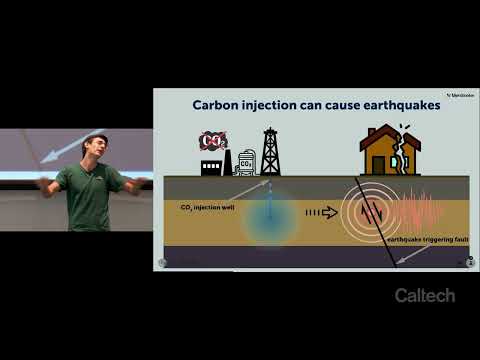
This research investigates earthquake risks associated with underground carbon dioxide storage. By studying seismic activity at the Decatur CO2 storage project, the work improves predictive geological models that account for hidden subsurface structures. The findings aim to make large-scale carbon storage safer, protecting both the climate and nearby communities.
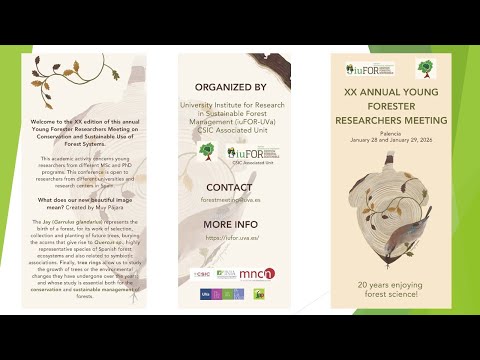
2026
This project addresses the gap between national and local forest data by integrating Spanish National Forest Inventories, forest maps, and municipal boundaries into interactive dashboards. Using Palencia as a case study, it tracks long-term evolution of pine and oak forests, supporting local decision-making through accessible visualization of forest stocks, carbon storage, and ecosystem services.