
This research develops microscopic copper wire "bridges" that improve heat transfer between computer chips and cooling systems. By reducing chip temperatures by around 3°C, the technology can lower data centre cooling energy by approximately 10%, improving efficiency and supporting more sustainable AI infrastructure.
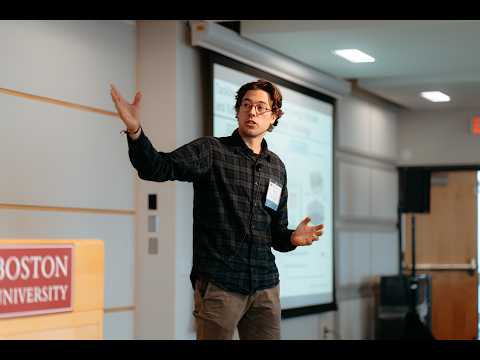
This research develops a low-temperature carbon-capture material that uses waste heat from solar panels to release captured CO₂. By reducing energy requirements from hundreds of degrees to just 70°C, the technology offers a more sustainable, scalable, and grid-independent approach to carbon capture and long-term climate-change mitigation.

This research develops brain-inspired computer chips using memristors, devices that can store and process information simultaneously like biological synapses. By enabling in-memory computing, the technology reduces energy consumption while supporting applications such as autonomous robots and image processing. The work advances efficient hardware for future artificial intelligence systems.
2025
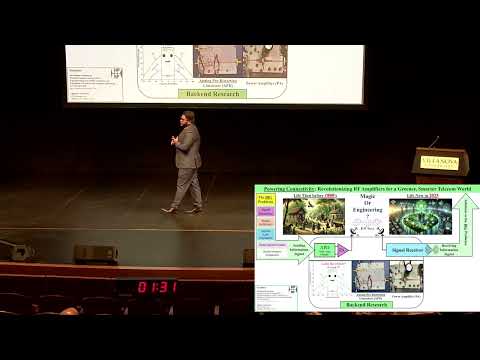
This research improves RF and microwave power amplifiers by reducing signal distortion using analog predistortion. The approach enhances energy efficiency, signal quality, and reliability in wireless and satellite communication. By producing near-ideal signals, it supports future connectivity demands and contributes to greener, more efficient telecommunications infrastructure.

This research develops sustainable solid biofuels using organic waste instead of food crops. By recycling water and catalysts in a high-temperature process, it reduces energy consumption and improves fuel quality. The work addresses key challenges of feedstock and efficiency, advancing environmentally friendly alternatives for heating, power generation, and industry.

This research evaluates passive cooling strategies—like reflective roofs and shading—to reduce heat in homes without air conditioning. Using simulations of thousands of combinations under current and future climates, it identifies optimal solutions for cities like Ottawa, aiming to protect vulnerable populations from rising heat risks due to climate change.

This research develops sustainable screen materials using nanoscale “sponges” that trap light-emitting molecules. By converting these materials into ultra-thin nanosheets, the study offers brighter, longer-lasting, and energy-efficient alternatives to toxic, non-renewable screen components, reducing environmental impact while supporting future global screen demand.

This research evaluates whether reflective cool roofs can reduce indoor temperatures and improve health in climate-vulnerable communities. A global randomised controlled trial across four countries will assess impacts on physical and mental health, productivity, and hospitalisations, providing evidence on whether this affordable intervention is cost-effective and capable of saving lives.

This research improves data center energy efficiency by analyzing processor instruction sequences. By identifying and fusing recurring instruction patterns, existing general-purpose processors can execute workloads more efficiently. Even small gains at the instruction level can significantly reduce energy consumption, operating costs, and carbon emissions across large-scale data centers.

Rising global electricity demand requires materials that conduct efficiently at extreme temperatures. This research develops scalable metal–ceramic composite conductors with tunable electrical properties by controlling particle interfaces and packing. These materials overcome limitations of metals and semiconductors, enabling efficient, affordable energy technologies for high-temperature industrial applications.