
This research develops a co-design optimization framework for microgrids that simultaneously designs physical infrastructure and control systems. By improving both reliability and cost-effectiveness, it enables more resilient renewable energy networks, supports upgrades to existing microgrids, and helps communities maintain electricity during extreme weather events and grid failures.

2026
This research examines why undergraduate engineering students struggle with troubleshooting technical problems. By observing electrical engineering students fixing broken circuits, he aims to identify where they get stuck, compare their approaches with expert strategies, and develop classroom exercises that build practical troubleshooting skills for labs, projects and real-world engineering work.

This research develops brain-inspired computer chips using memristors, devices that can store and process information simultaneously like biological synapses. By enabling in-memory computing, the technology reduces energy consumption while supporting applications such as autonomous robots and image processing. The work advances efficient hardware for future artificial intelligence systems.
2026
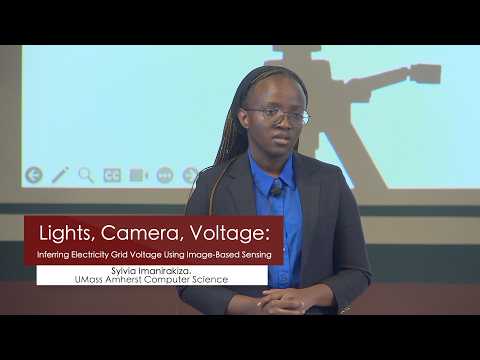
This research uses computational photography and machine learning to monitor electricity quality through the flickering patterns of everyday lights. By analyzing images captured in cities such as Kampala and Nairobi, the work offers a low-cost method for measuring voltage instability and improving power-grid planning in underserved communities lacking reliable electricity infrastructure.
2025
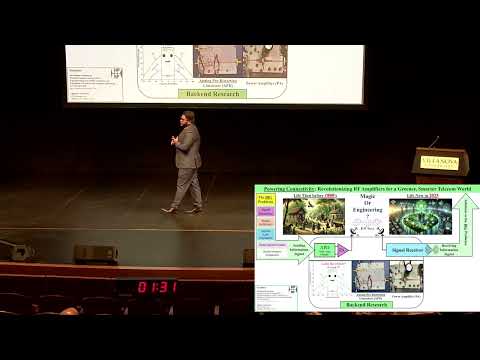
This research improves RF and microwave power amplifiers by reducing signal distortion using analog predistortion. The approach enhances energy efficiency, signal quality, and reliability in wireless and satellite communication. By producing near-ideal signals, it supports future connectivity demands and contributes to greener, more efficient telecommunications infrastructure.