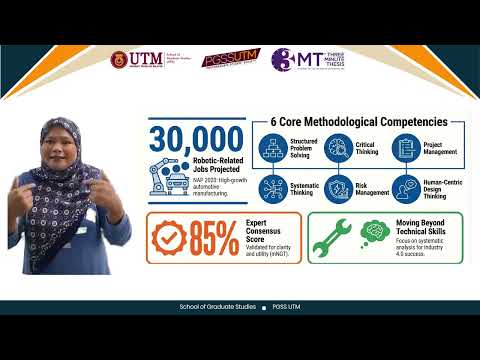
This research addresses the growing skills gap in Malaysia’s automotive robotics sector. It develops a competency framework emphasizing problem-solving, critical thinking, and structured methodologies. Validated by experts, the framework aligns education with industry needs, helping graduates better prepare for automation-related jobs and improving workforce readiness in a rapidly evolving industry.

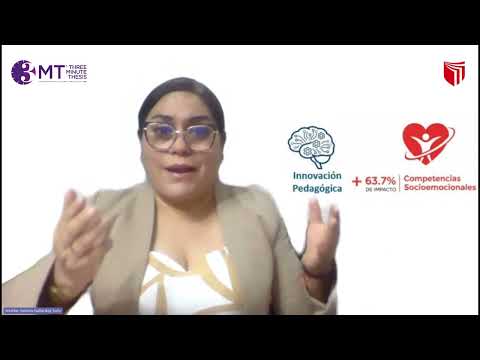
This research shows that pedagogical innovation significantly enhances university students’ socio-emotional development. Surveying 156 engineering students, it finds that active, inclusive, and technology-enhanced teaching explains nearly two-thirds of emotional skill development. Human-centered innovation deepens learning and fosters empathy, resilience, and well-being.

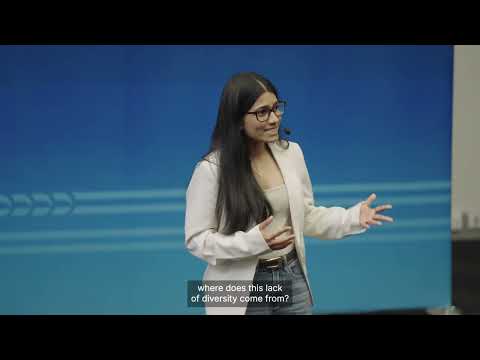
This research examines university maker spaces as ecosystems to understand how design choices affect engineering education. Spaces that allow personal projects encourage earlier, broader tool use, boosting student confidence and creativity. These findings help universities design maker spaces that better bridge theory and real-world engineering practice.