
This research redefines digital health literacy for an AI-driven world, emphasizing the alignment between users and technology. Using a Delphi method, it identifies three core components—knowledge, skills, and context. The resulting framework guides the design of digital health tools that better support behavior change by adapting to users’ real-world needs.
2026
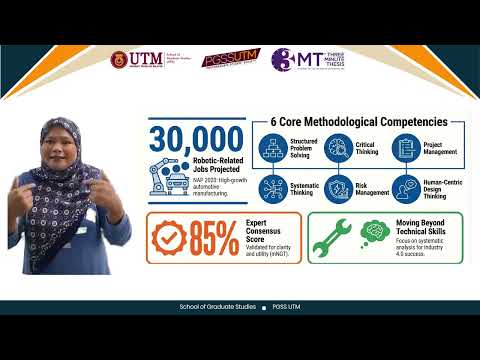
This research addresses the growing skills gap in Malaysia’s automotive robotics sector. It develops a competency framework emphasizing problem-solving, critical thinking, and structured methodologies. Validated by experts, the framework aligns education with industry needs, helping graduates better prepare for automation-related jobs and improving workforce readiness in a rapidly evolving industry.
AI can improve efficiency in humanitarian aid but risks undermining its moral foundation. Research shows donors perceive AI as lacking empathy, leading to reduced engagement and donations. The key challenge is balancing technological efficiency with human connection, ensuring that innovation supports rather than erodes the trust and compassion that sustain aid systems.
Maternal undernutrition in rural Ethiopia remains highly prevalent at 38 percent. This thesis identifies key drivers including gender inequality, poor nutritional counseling, and cultural food taboos. Using human-centered design, a “couples forum” intervention was developed and validated, showing strong feasibility and cultural acceptability as a promising community-based solution.