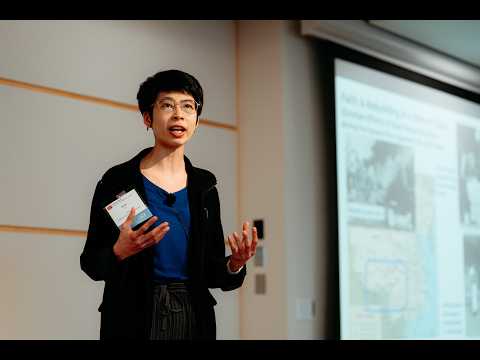
This research explores how Chinese Christian reformers contributed to humanitarian relief and rural reconstruction during the Second Sino-Japanese War. Through literacy programmes, public health initiatives, and community development, they demonstrated that religion could function not only as belief, but also as a practical response to social crisis.
AI can improve efficiency in humanitarian aid but risks undermining its moral foundation. Research shows donors perceive AI as lacking empathy, leading to reduced engagement and donations. The key challenge is balancing technological efficiency with human connection, ensuring that innovation supports rather than erodes the trust and compassion that sustain aid systems.
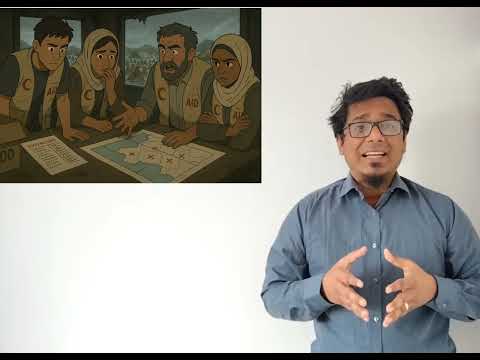
This research examines the ethical dilemmas behind food distribution during disasters, focusing on fairness, power, and decision-making in humanitarian aid. Through interviews in Bangladesh, it aims to develop an ethical framework to guide organisations toward just and transparent food allocation, ensuring aid preserves dignity as well as saving lives.