
This research examines why AI adoption often fails in medium-sized businesses despite significant investment. By interviewing employees and leaders, it develops a practical framework that treats AI as a new colleague requiring onboarding, trust, and cultural integration. The findings will help organisations implement AI more successfully and improve long-term adoption.
2026
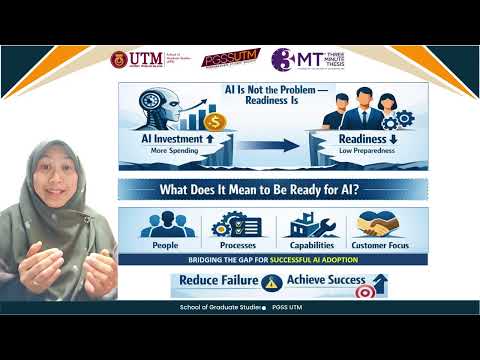
This research investigates why many organizations fail to implement AI effectively, focusing on readiness rather than technology. In automotive after-sales services, it identifies gaps between systems and AI ambitions. The study develops a framework aligning people, processes, and capabilities, helping organizations achieve sustainable and successful AI adoption.

AI can improve efficiency in humanitarian aid but risks undermining its moral foundation. Research shows donors perceive AI as lacking empathy, leading to reduced engagement and donations. The key challenge is balancing technological efficiency with human connection, ensuring that innovation supports rather than erodes the trust and compassion that sustain aid systems.