This neuroscience study investigated why time sometimes feels longer than it really is. By replacing simple geometric shapes with animal images, the researcher tested whether arousal or novelty drives temporal dilation. Results supported the oddball effect, showing that stimulus change, rather than emotional significance, was the primary factor influencing perceived duration.
This research investigates how the brain uses different decision-making strategies and how those strategies vary across individuals, including people with neurodivergent conditions such as autism, schizophrenia, and ADHD. Using controlled game environments and brain imaging, the study maps neural decision-making circuits to better understand cognition, behavioural diversity, and potential therapeutic interventions.
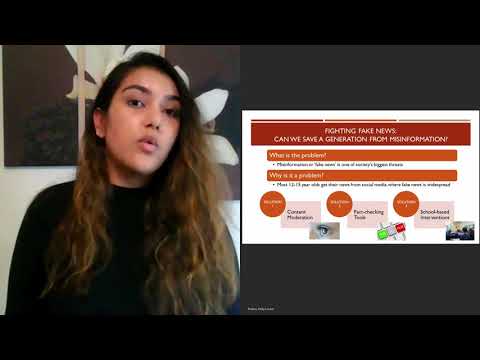
This research investigates how reliance on AI systems affects human cognition and reasoning. Using concepts from cognitive offloading, the study compares AI-assisted and independent problem solving, measuring verification behavior, reasoning depth, and decision confidence. The work explores whether increasingly capable AI tools may unintentionally reduce critical thinking and human expertise.
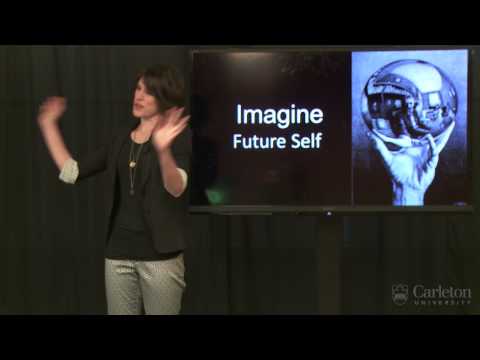
This research explores procrastination by examining how people relate to their future selves. Using guided mental imagery exercises, it aims to strengthen emotional connection with the future self. Improved connection may reduce procrastination, helping individuals make better decisions today to achieve long-term goals and enhance overall well-being.
Large unstructured lecture breaks often disrupt learning, causing distraction and poor recall. This research tests structured “consolidation pauses” where students spend 2–5 minutes reviewing material before break. Results show improved retention, better peer relationships, and up to a full letter-grade boost, demonstrating that small instructional changes markedly improve learning outcomes.