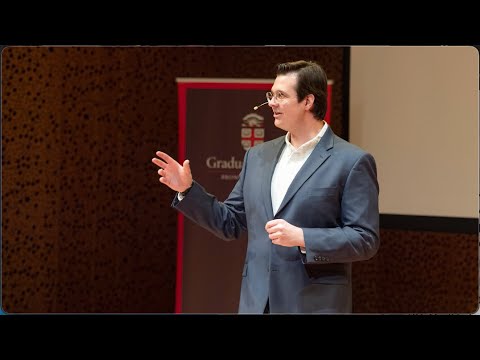
This research demonstrates that moving visual stimuli can improve time perception to match the accuracy of auditory cues. Using a novel bouncing-ball experiment, it challenges the belief that hearing is always superior for judging time and offers new insights for assistive technologies, sports performance, human coordination, and cognitive psychology.
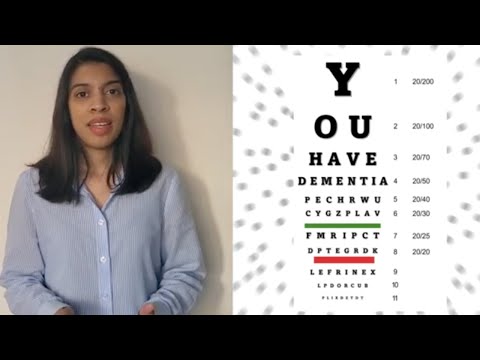
This research investigates how motion perception changes with age and how these changes are reflected in brain function. Using behavioural tasks and fMRI, the research aims to develop simple visual tests that could be used in routine eye-care settings to identify early signs of cognitive decline and support healthy ageing.

Bumblebees navigate complex environments by using optic flow—the motion of images across their eyes—to estimate speed and detect obstacles. Unlike other insects that rely on lateral optic flow, bumblebees monitor the frontal-lateral field to see hazards earlier. This research reveals how bees avoid collisions and informs bio-inspired flight control.