This research investigates how loneliness affects brain function across adulthood. Using brain imaging, it identifies age-related differences in activity within the caudate, a region involved in social reward processing. The findings suggest loneliness alters how people perceive social interactions, supporting the development of personalized, age-appropriate interventions to reduce chronic loneliness.
This study examines how children process the speech envelope, a key acoustic feature of language. Brain data from ages 4–18 reveal a developmental shift from left- to right-hemisphere processing. This newly identified trajectory may help detect language impairments and improve early interventions in speech and language development.
This talk presents a new noninvasive MRI method to visualize the brain’s immune response. By imaging inflammation without injections or contrast agents, the research offers new insights into Alzheimer’s disease, ALS, and traumatic brain injury, helping researchers better understand how brain inflammation contributes to neurological disorders.
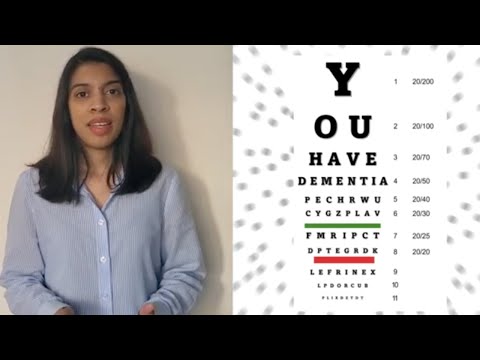
This research investigates how motion perception changes with age and how these changes are reflected in brain function. Using behavioural tasks and fMRI, the research aims to develop simple visual tests that could be used in routine eye-care settings to identify early signs of cognitive decline and support healthy ageing.
This research uses cavefish to reveal how evolution reshapes the brain. By comparing surface and cave-adapted forms, it shows that neural circuits lost to vision are repurposed for touch and smell. These findings demonstrate how evolution refines existing brain structures to meet environmental demands.
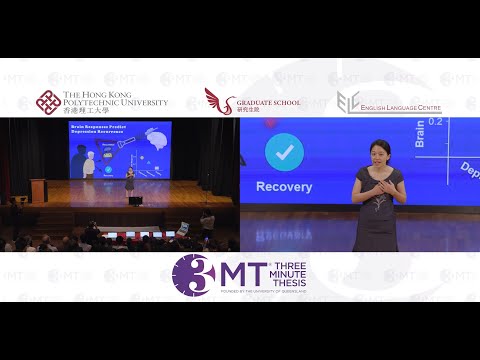
This study introduces a “brain stress test” for depression, combining targeted brain stimulation with neuroimaging. Depressed individuals show exaggerated brain responses, which increase with repeated episodes. The test may serve as an early warning signal, helping clinicians identify relapse risk and intervene before depression returns.