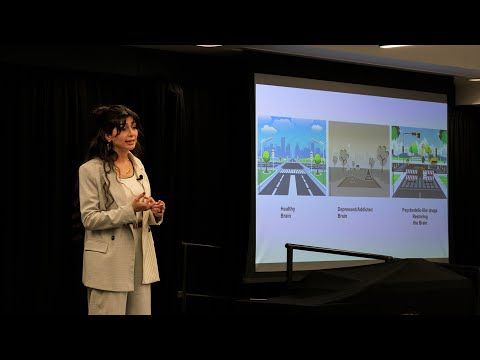
This research investigates how the brain uses different decision-making strategies and how those strategies vary across individuals, including people with neurodivergent conditions such as autism, schizophrenia, and ADHD. Using controlled game environments and brain imaging, the study maps neural decision-making circuits to better understand cognition, behavioural diversity, and potential therapeutic interventions.
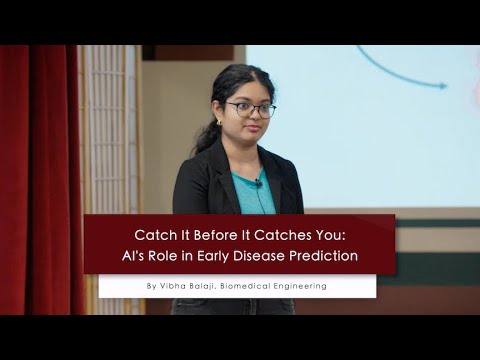
This research uses artificial intelligence to predict the progression of Alzheimer’s disease and cancer using medical imaging data. By analyzing brain scans, tumor scans, and treatment responses, AI models can forecast disease development and treatment outcomes, enabling earlier intervention, more personalized care, and improved quality of life for aging populations.
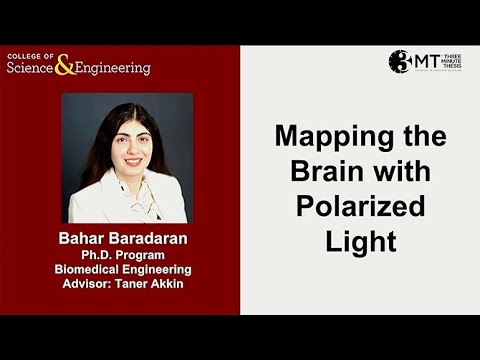
Tiny errors in electrode placement can determine success or failure of Parkinson’s surgery. This research develops high-resolution Polarization Sensitive Optical Tomography to map brain anatomy at micrometer scale—over 100 times finer than MRI. Automated scanning and 3D reconstruction create detailed connectivity maps, improving surgical precision and neuroscience understanding.
This research explores motor imagery as a rehabilitation tool after stroke. Brain imaging revealed sex-based differences in neural activation, with females showing greater efficiency. Practice improves patterns in both sexes. Understanding these differences enables personalized, home-based rehabilitation that may enhance recovery of arm and hand function.
My research explores whether people with semantic dementia can relearn everyday words through simple, repeated online training. Patients practiced picture–word pairs daily for two months and showed strong, lasting improvements that transferred to real-life use. The findings offer hope for patients and reveal how targeted practice can reshape the brain despite disease.