
This research investigates the role of oligodendrocytes in Fragile X syndrome, revealing delayed cell maturation and disrupted myelin development. Using human stem cell and mouse models, it identifies these overlooked cells as promising therapeutic targets, potentially enabling earlier and more effective treatments for Fragile X and related neurodevelopmental disorders.

This research develops an affordable, scalable platform for recording electrical activity from brain organoids. Using innovative basket-shaped sensors made from a low-cost conductive material, the system enables simultaneous recording from dozens of mini-brains, accelerating drug discovery and improving our understanding of brain diseases with more human-relevant laboratory models.

2025
This research developed NanoX, a nanoscale fluorescent sensor that images oxytocin release from individual neurons in real time. By revealing patterns of brain chemistry associated with mental health disorders, the technology could enable earlier diagnosis, improve understanding of neurochemical signaling, and support both preventive and personalized mental healthcare.
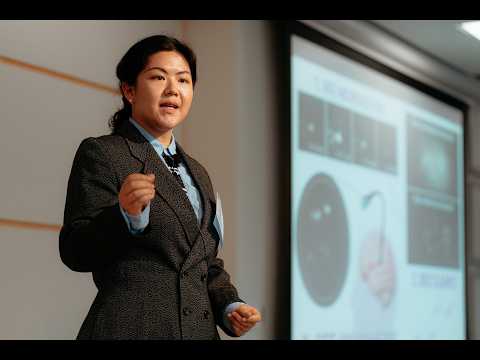
This research develops advanced optical imaging technology to observe neurons firing in real time throughout the brain. By combining high-speed microscopy with flexible fibre-optic image relays, the system overcomes the challenge of light scattering, enabling clearer recordings of neural activity and deeper insights into brain function.

2026
This neuroscience study investigated why time sometimes feels longer than it really is. By replacing simple geometric shapes with animal images, the researcher tested whether arousal or novelty drives temporal dilation. Results supported the oddball effect, showing that stimulus change, rather than emotional significance, was the primary factor influencing perceived duration.
2026
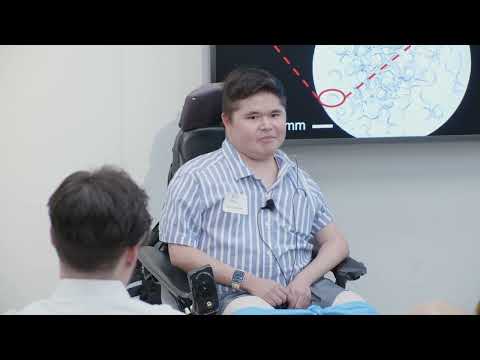
This research uses nematode worms and machine learning to quantify changes in neuron structure linked to neurodegenerative diseases. By replacing subjective visual analysis with objective computational methods, it identifies structural abnormalities and improves understanding of disease mechanisms, supporting future advances in diagnosis and treatment.
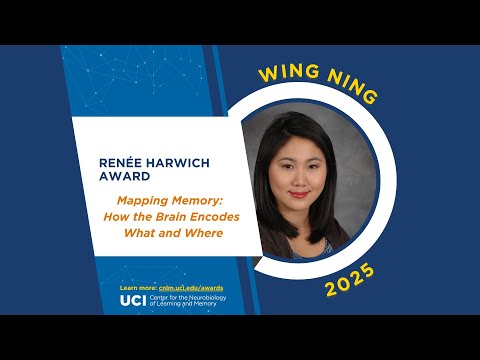
This talk describes research on how the brain learns and remembers by recording neural activity in mice navigating virtual environments. By studying hippocampal and cortical neurons, the work reveals how the brain builds cognitive maps of space and experience, offering insights into memory loss and Alzheimer’s disease.