
This research explores whether altering bodily sensations can change emotional experiences. By manipulating perceived heartbeat, blinking, and muscle tension through wearable devices and virtual reality, it demonstrates that emotions can be reshaped without changing physiology, opening new possibilities for treating trauma, anxiety, eating disorders, and other mental health conditions
This research develops an affordable, scalable platform for recording electrical activity from brain organoids. Using innovative basket-shaped sensors made from a low-cost conductive material, the system enables simultaneous recording from dozens of mini-brains, accelerating drug discovery and improving our understanding of brain diseases with more human-relevant laboratory models.

2025
This research developed NanoX, a nanoscale fluorescent sensor that images oxytocin release from individual neurons in real time. By revealing patterns of brain chemistry associated with mental health disorders, the technology could enable earlier diagnosis, improve understanding of neurochemical signaling, and support both preventive and personalized mental healthcare.
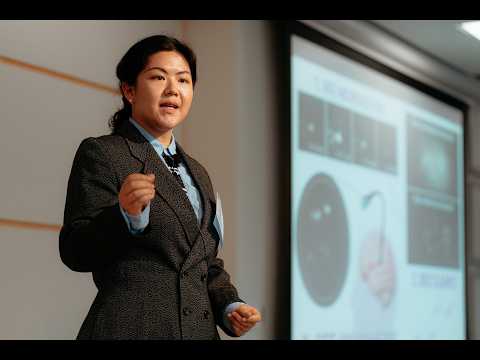
This research develops advanced optical imaging technology to observe neurons firing in real time throughout the brain. By combining high-speed microscopy with flexible fibre-optic image relays, the system overcomes the challenge of light scattering, enabling clearer recordings of neural activity and deeper insights into brain function.
This research improves neural implants for vision restoration by reproducing natural brain activity patterns. Using a two-way stimulation approach in the retina, electrical signals are optimized to activate neurons precisely. This enables more accurate visual perception, moving beyond crude light flashes toward meaningful vision, with potential to restore recognition of familiar faces.
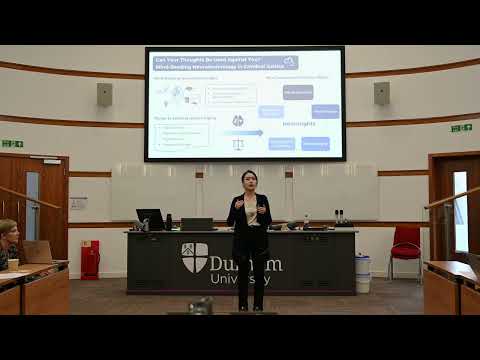
This research examines the legal risks of mind-reading neurotechnology in criminal justice. By developing a neurorights framework—covering mental autonomy, privacy, and integrity—it aims to protect freedom of thought while enabling responsible forensic use of brain data as neurotechnologies rapidly advance.
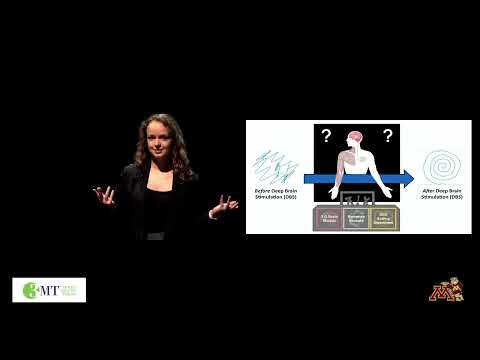
This research uses advanced brain imaging, long-term clinical monitoring, and sensor data to understand why deep brain stimulation helps Essential Tremor patients—and why it sometimes stops working. By modelling neural pathways and analysing two-year outcomes, the project identifies optimal DBS targets and the main causes of treatment failure, improving long-term patient care.

My research improves brain–computer interfaces for children with disabilities by reducing the repetitive calibration needed before use. Using transfer learning and a team-selection algorithm, data from other users help personalise the system, cutting calibration by up to 90%. This makes creative activities like painting more accessible, enjoyable, and sustainable.