This research improves neural implants for vision restoration by reproducing natural brain activity patterns. Using a two-way stimulation approach in the retina, electrical signals are optimized to activate neurons precisely. This enables more accurate visual perception, moving beyond crude light flashes toward meaningful vision, with potential to restore recognition of familiar faces.
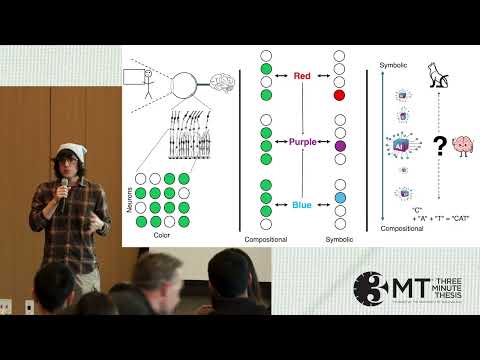
This research investigates the neural “language” of vision, asking whether the brain encodes images using compositional or symbolic patterns. Using machine learning and artificial neural networks, the work reveals evidence for a compositional visual code, informing the future design of advanced visual prosthetics.