This neuroscience study investigated why time sometimes feels longer than it really is. By replacing simple geometric shapes with animal images, the researcher tested whether arousal or novelty drives temporal dilation. Results supported the oddball effect, showing that stimulus change, rather than emotional significance, was the primary factor influencing perceived duration.
This research improves neural implants for vision restoration by reproducing natural brain activity patterns. Using a two-way stimulation approach in the retina, electrical signals are optimized to activate neurons precisely. This enables more accurate visual perception, moving beyond crude light flashes toward meaningful vision, with potential to restore recognition of familiar faces.
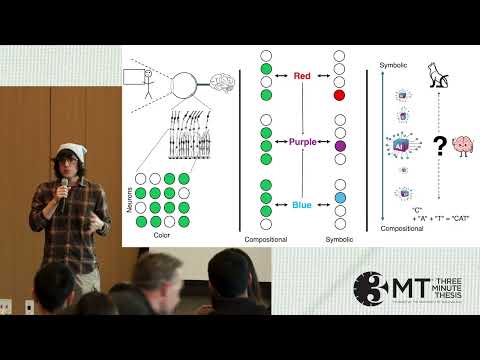
This research investigates the neural “language” of vision, asking whether the brain encodes images using compositional or symbolic patterns. Using machine learning and artificial neural networks, the work reveals evidence for a compositional visual code, informing the future design of advanced visual prosthetics.
This research develops a new vision test to improve glaucoma detection, especially in short-sighted individuals. By measuring the smallest rapidly flashing visual stimulus rather than the dimmest, the method better distinguishes glaucoma from myopia, enabling earlier diagnosis, reduced misdiagnosis, and improved outcomes for patients at risk of vision loss.