
This research investigates how New Zealand's childhood vision screening programme can better detect and treat vision problems. By trialling more frequent and accurate screening alongside fully funded school-based eye examinations, the project aims to improve eye-care access, reduce inequalities, inform national policy, and ensure every child has the opportunity to see clearly.

2025
This research has developed a five-minute smartphone memory test that detects subtle cognitive changes associated with early Alzheimer's disease. The tool identified symptom-free individuals with underlying disease and predicted future cognitive decline, outperforming expensive brain scans while offering a simple, accessible, and affordable approach to early diagnosis.

2025
This research developed NanoX, a nanoscale fluorescent sensor that images oxytocin release from individual neurons in real time. By revealing patterns of brain chemistry associated with mental health disorders, the technology could enable earlier diagnosis, improve understanding of neurochemical signaling, and support both preventive and personalized mental healthcare.

2026
This research investigates how Type 1 diabetes affects bone development during childhood and adolescence. Using high-resolution bone imaging and blood glucose data, the study explores whether blood sugar levels, variability, and disease duration influence bone health. Early findings suggest that diagnosis closer to puberty may be associated with lower bone density.

This research explores how to improve STI testing uptake within African and Caribbean communities in the UK. Using evidence reviews, interviews, and co-production workshops guided by the ACE framework, the project develops community-informed sexual health interventions designed to increase trust, accessibility, and acceptance of STI testing while reducing stigma and health inequalities.
2026
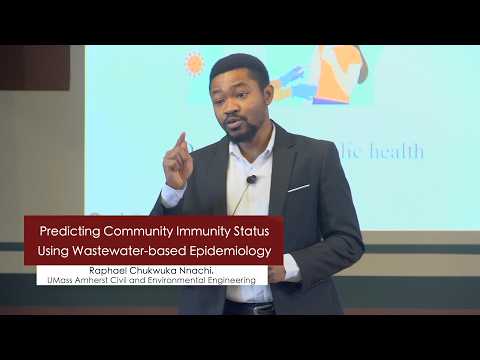
This research uses wastewater-based epidemiology to monitor antibodies excreted by communities, providing early insights into population vulnerability to infectious diseases. By analyzing antibody trends in wastewater over time, the work helps public health authorities identify at-risk communities, allocate resources more effectively, strengthen vaccination strategies, and improve outbreak preparedness.
2026
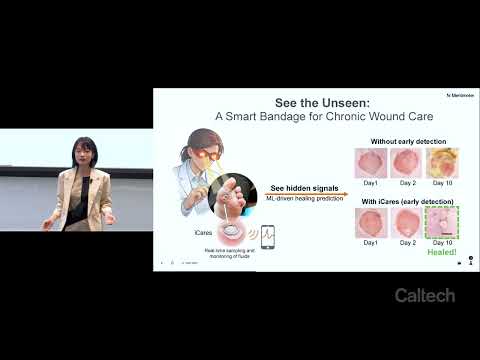
This research introduces iCares, a smart wound-monitoring bandage designed to detect infection and inflammation before visible symptoms appear. Using biosensors, fluid sampling, and machine learning, the system provides real-time wound analysis, enabling earlier intervention, personalized treatment, reduced complications, and improved healing outcomes for patients with chronic wounds.
2026
This study explores anemia as a potential risk factor for dementia, finding that nearly half of dementia patients also exhibit low hemoglobin levels, often undiagnosed. By highlighting links between blood health and cognitive decline, the research advocates earlier detection and a multidisciplinary approach to reduce dementia’s growing societal and healthcare burden.

This research uses wearable data and AI to detect disease earlier by analyzing continuous health signals rather than isolated clinical snapshots. By personalizing models to individual baselines, the system identifies subtle changes linked to conditions like infections, heart issues, and mental health crises, enabling earlier intervention and potentially saving lives.

This research shows that genetic risk scores alone are insufficient for predicting chronic disease. By incorporating social and environmental factors using machine learning, disease prediction improves substantially, especially for disadvantaged populations. Integrating genetic and social risk is essential for equitable, effective personalized medicine.