
This research investigates how Type 1 diabetes affects bone development during childhood and adolescence. Using high-resolution bone imaging and blood glucose data, the study explores whether blood sugar levels, variability, and disease duration influence bone health. Early findings suggest that diagnosis closer to puberty may be associated with lower bone density.

This research introduces a sustainable, thread-based wearable device that measures lactate in sweat using chemiluminescence. By transforming cotton thread into a low-cost analytical tool, it enables simple, smartphone-based monitoring of physiological changes, offering an eco-friendly alternative to conventional biosensors for sports and health applications.

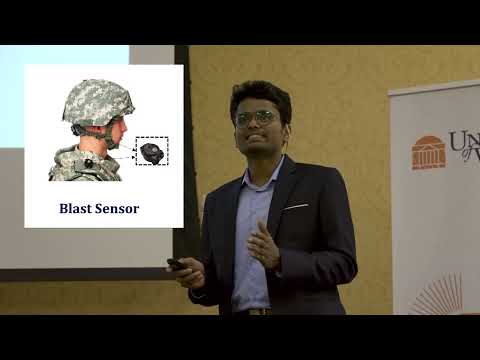
This research develops a virtual human model and predictive algorithm to detect blast-induced traumatic brain injuries in real time. Using simulations and body-mounted sensors, the system estimates injury risk on the battlefield, helping medics and commanders make rapid decisions to protect soldiers and improve mission safety.