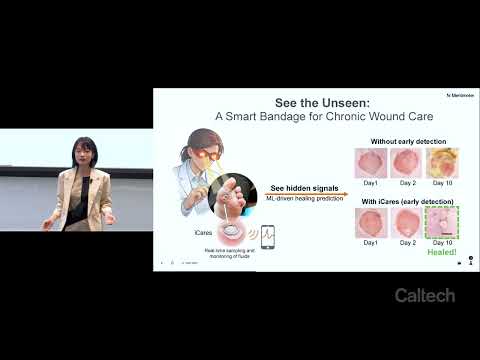
This research introduces iCares, a smart wound-monitoring bandage designed to detect infection and inflammation before visible symptoms appear. Using biosensors, fluid sampling, and machine learning, the system provides real-time wound analysis, enabling earlier intervention, personalized treatment, reduced complications, and improved healing outcomes for patients with chronic wounds.

This study developed a real-time IoT-based system to optimize fishway performance in fragmented rivers. Using sensors, PIT-tag tracking, and machine-learning models, it links climate triggers with hydraulic controls. Adaptive sluice-gate regulation improved fish passage efficiency by 166% without reducing hydropower output, offering scalable, sustainable river management.

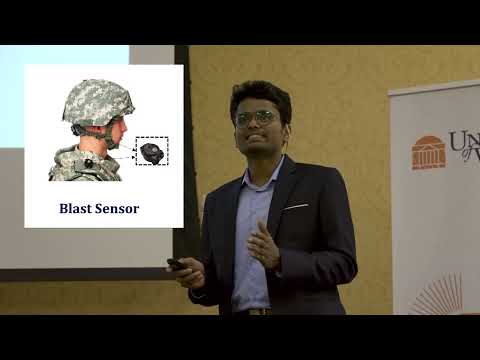
This research develops a virtual human model and predictive algorithm to detect blast-induced traumatic brain injuries in real time. Using simulations and body-mounted sensors, the system estimates injury risk on the battlefield, helping medics and commanders make rapid decisions to protect soldiers and improve mission safety.

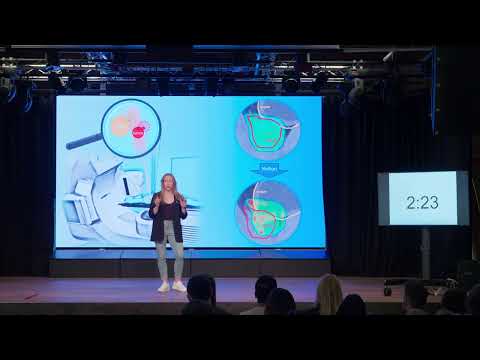
Body motion during radiotherapy can misalign radiation delivery, risking tumor underdosing and healthy tissue damage. This research introduces real-time dose calculation software that tracks motion during treatment, enabling immediate corrections. Clinical testing shows one in five treatments benefit from adjustment, significantly improving radiotherapy safety and effectiveness.