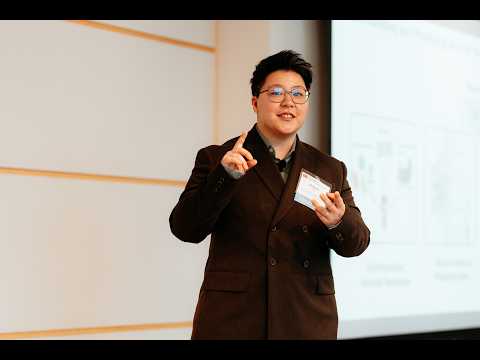
This research uses artificial intelligence to analyse immune-system data and predict vaccine effectiveness. By identifying early biological signals associated with strong, long-lasting immunity, the work aims to improve vaccine design, personalise vaccination strategies, and support development of universal vaccines capable of protecting against rapidly evolving infectious diseases.

This research applies fluid mechanics, numerical simulations, and machine learning to model the brain’s waste-clearance system during sleep. By investigating how fluid moves through brain tissue and how aging or injury affect this process, the work aims to identify strategies for preventing or slowing neurodegenerative diseases such as Alzheimer's.
2026
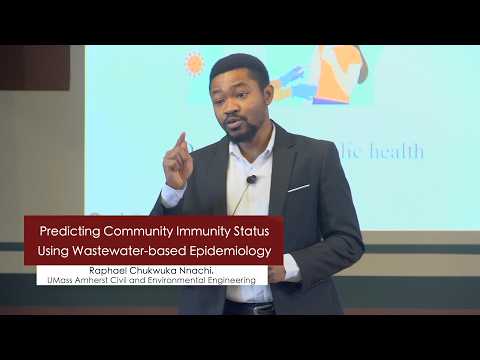
This research uses wastewater-based epidemiology to monitor antibodies excreted by communities, providing early insights into population vulnerability to infectious diseases. By analyzing antibody trends in wastewater over time, the work helps public health authorities identify at-risk communities, allocate resources more effectively, strengthen vaccination strategies, and improve outbreak preparedness.

This research investigates whether thallium exposure from 9/11 dust contributes to long-term memory loss in first responders. By linking biological samples with decades of cognitive data, findings suggest higher exposure increases risk of early Alzheimer’s indicators. The study emphasizes early detection and prevention for those exposed to environmental toxins.
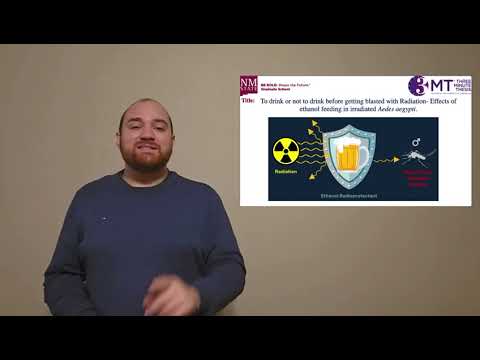
This research investigates how ethanol improves the fitness of sterilized male mosquitoes used in the Sterile Insect Technique. By examining behavioral and genetic responses to radiation, the work aims to optimize mosquito population control strategies and reduce the spread of mosquito-borne diseases worldwide.

This talk explains how devastating brain diseases such as Parkinson’s disease and dementia may begin not in the brain, but in the gut. The speaker describes how a protein called alpha-synuclein can change shape, form toxic complexes, and spread from cell to cell, traveling from the gut to the brain via neural connections. Once in the brain, these toxic complexes disrupt movement, memory, and thinking. The research identifies a key protein, FABP2, that promotes this harmful process by interacting with alpha-synuclein. By targeting and breaking this interaction early—at the level of the gut—the work aims to prevent neurodegenerative disease before irreversible brain damage occurs, potentially reducing patient suffering as well as medical and societal costs.

Type 1 diabetes affects millions worldwide and often begins in childhood, with no cure or prevention. This research uses early-life blood samples and single-cell immune profiling to identify genetic changes in immune cells before disease onset. The findings reveal new biomarkers that could enable early detection, targeted therapies, and future disease prevention.
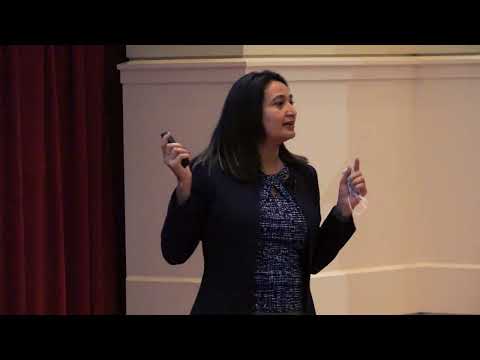
This research investigates COVID-19 stigma among survivors in Nepal during the pandemic. It found that one-quarter experienced discrimination, social exclusion, and psychological distress. Misinformation, weak health-system preparedness, and lack of public trust fuelled stigma. The study argues that future pandemic preparedness must address social stigma alongside healthcare capacity.
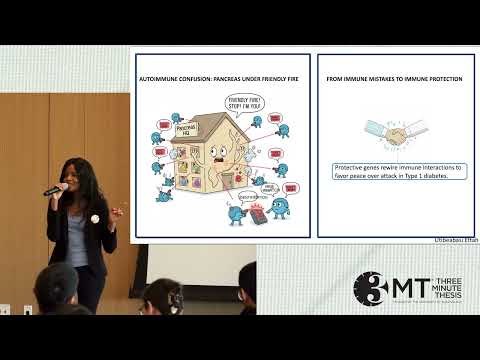
Type 1 diabetes occurs when the immune system mistakenly destroys insulin-producing cells. This research shifts focus from disease-causing genes to protective genes found in rare individuals. By examining the first immune–pancreas interaction at the atomic level, it reveals how protection rewires immune responses and offers new paths to preventing the disease.
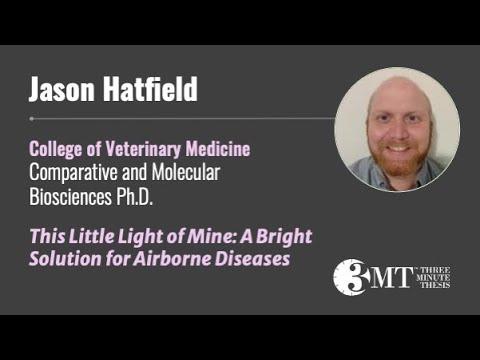
This research investigates how avian metapneumovirus spreads in poultry facilities and tests far-UVC light as a safe disinfection strategy. By studying viral survival on surfaces and in air, the work aims to prevent costly outbreaks, protect animal welfare, and reduce risks to human health through a One Health approach.