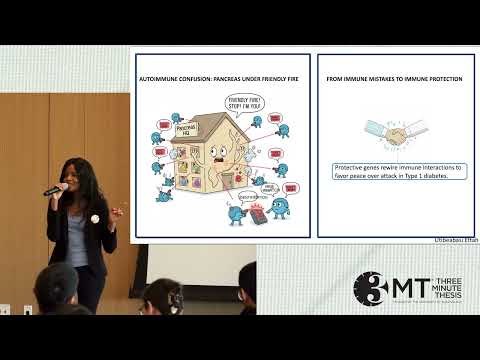
Type 1 diabetes occurs when the immune system mistakenly destroys insulin-producing cells. This research shifts focus from disease-causing genes to protective genes found in rare individuals. By examining the first immune–pancreas interaction at the atomic level, it reveals how protection rewires immune responses and offers new paths to preventing the disease.

Type 1 diabetes destroys insulin-producing cells, leaving patients dependent on lifelong injections. Islet transplants could provide freedom, but most cells die quickly. This research uses drug-loaded microparticles that protect transplanted islets, boosting survival, insulin production, and diabetes reversal. The approach could cut costs, reduce donor needs, and transform treatment for multiple diseases.