
This research investigates how New Zealand's childhood vision screening programme can better detect and treat vision problems. By trialling more frequent and accurate screening alongside fully funded school-based eye examinations, the project aims to improve eye-care access, reduce inequalities, inform national policy, and ensure every child has the opportunity to see clearly.

This research investigates whether blood flow restriction training can improve postpartum recovery by enhancing the benefits of everyday activities. By integrating low-intensity exercise into routine childcare, household tasks, and walking, the study aims to increase strength, endurance, and well-being while reducing pain and fatigue in new mothers.

This research explores how to improve STI testing uptake within African and Caribbean communities in the UK. Using evidence reviews, interviews, and co-production workshops guided by the ACE framework, the project develops community-informed sexual health interventions designed to increase trust, accessibility, and acceptance of STI testing while reducing stigma and health inequalities.
2026
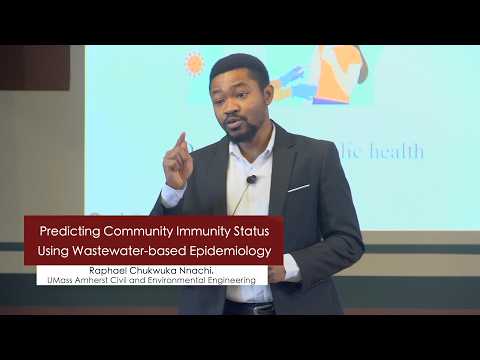
This research uses wastewater-based epidemiology to monitor antibodies excreted by communities, providing early insights into population vulnerability to infectious diseases. By analyzing antibody trends in wastewater over time, the work helps public health authorities identify at-risk communities, allocate resources more effectively, strengthen vaccination strategies, and improve outbreak preparedness.
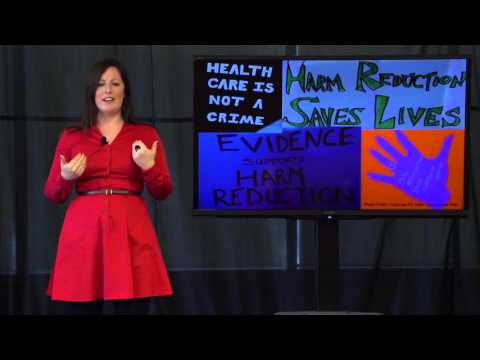
This research examines harm reduction practices and their limitations within systems of prohibition. While designed to support people without judgment, institutional rules and boundaries restrict access. Case studies reveal how these constraints can increase risks, including overdose, highlighting a gap between harm reduction philosophy and real-world implementation.

2026
This research addresses rural water scarcity in Colombia by developing a household treatment system combining filtration and solar disinfection. Using engineering models, it optimizes flow, pathogen inactivation, and sunlight exposure to ensure reliability. The approach delivers safe, simple, and sustainable water access, reducing disease and improving quality of life in underserved communities.
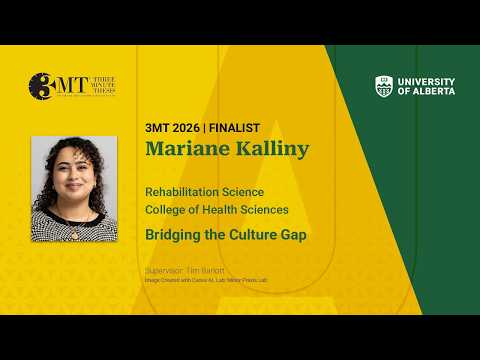
This research explores barriers immigrants face in accessing mental health care in Canada. It identifies cultural isolation and mismatched therapeutic approaches as key challenges. The study advocates for culturally competent care, shifting responsibility to providers through ongoing learning and adaptation, to improve accessibility, trust, and outcomes for immigrant communities.

This research investigates COVID-19 stigma among survivors in Nepal during the pandemic. It found that one-quarter experienced discrimination, social exclusion, and psychological distress. Misinformation, weak health-system preparedness, and lack of public trust fuelled stigma. The study argues that future pandemic preparedness must address social stigma alongside healthcare capacity.

This qualitative study explores the lived experiences of African immigrant women in the United States. Through interviews, it examines stressors, their impacts on women and families, and coping strategies. The research aims to address gaps in existing literature and to inform professionals providing culturally responsive services to African immigrant communities.

This research examines a peer-led support group for people with early-onset Parkinson’s disease, exploring their unique needs compared with older adults. The study identifies the benefits and barriers of stakeholder-led groups, clarifies the role of clinical professionals, and produces a co-designed resource to guide future peer-led support initiatives.