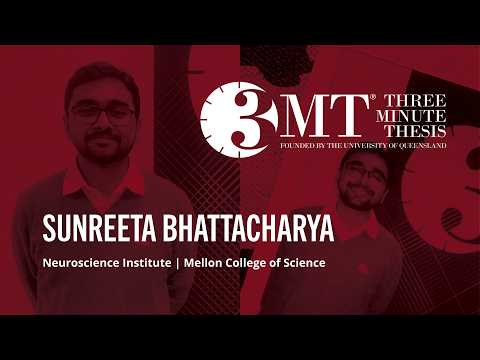
This research investigates how the brain makes decisions under uncertainty by studying mice navigating reward-based mazes. Rather than relying on memorisation, mice continually update mental models through active exploration. These findings improve our understanding of anxiety disorders and may inspire more adaptive artificial intelligence systems.
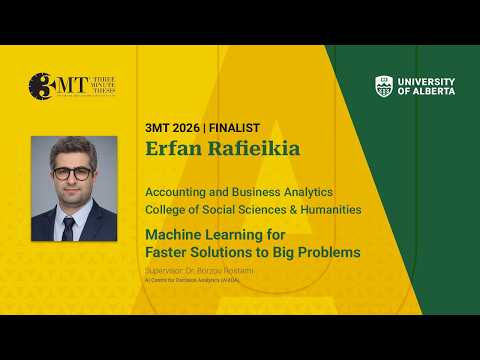
This research improves large-scale optimisation by combining problem decomposition with machine learning. By identifying similarities between subproblems, it predicts solutions instead of solving each independently, reducing computational cost. The approach enhances efficiency in logistics and extends to applications such as healthcare scheduling and transport network design.