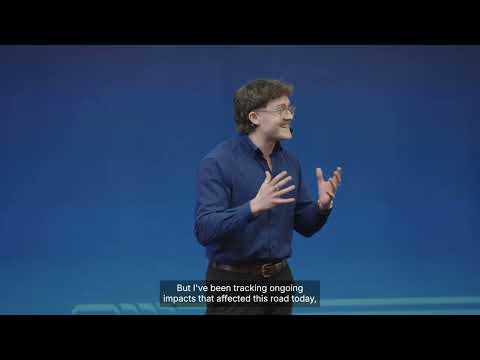
This research investigates how landslides disrupt New Zealand's road network. By analysing past landslides, linking landslide severity to road impacts, and combining these relationships with landslide forecasts, the project aims to predict future road closures, improve emergency planning, reduce community isolation, and enhance public safety during severe weather and earthquakes.
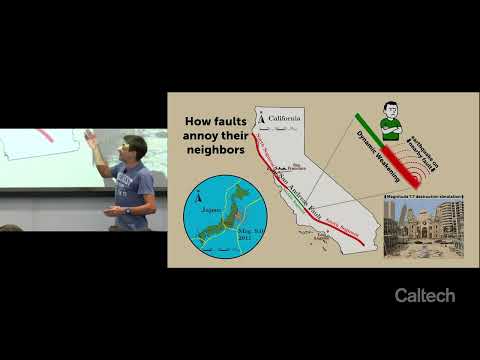
Victor's research investigates dynamic weakening, a process that can allow small earthquakes to grow into devastating megaquakes. Using supercomputer simulations of the San Andreas Fault, the study explores how stress, fluids, friction, and neighboring fault activity may trigger unexpectedly large earthquakes, improving seismic hazard prediction and understanding of earthquake behavior.
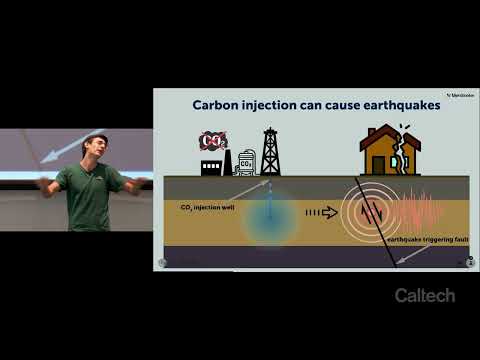
This research investigates earthquake risks associated with underground carbon dioxide storage. By studying seismic activity at the Decatur CO2 storage project, the work improves predictive geological models that account for hidden subsurface structures. The findings aim to make large-scale carbon storage safer, protecting both the climate and nearby communities.
2025
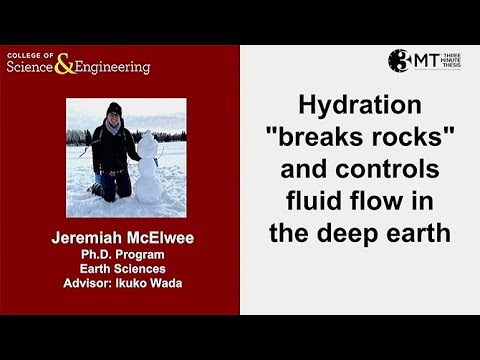
Subduction zones generate earthquakes, tsunamis, and volcanoes, yet their behavior varies between regions. This research investigates how water released from subducting plates interacts with surrounding rocks. Using supercomputer simulations, it models hydration-driven cracking and fluid migration, revealing patterns that may influence where earthquakes and volcanic activity occur.