This research develops cavity-based methods for controlling thermal radiation by transforming random heat emission into coherent, directional thermal beams. Unlike traditional narrowband approaches, the technique enables broadband heat control using practical materials such as silicon and germanium, with potential applications in energy efficiency, waste-heat recycling, cooling technologies, and climate mitigation.

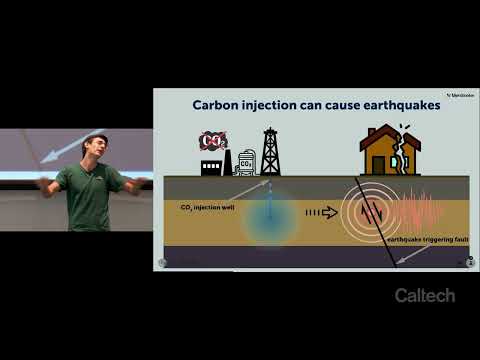
This research investigates earthquake risks associated with underground carbon dioxide storage. By studying seismic activity at the Decatur CO2 storage project, the work improves predictive geological models that account for hidden subsurface structures. The findings aim to make large-scale carbon storage safer, protecting both the climate and nearby communities.

My research develops navigable high-altitude stratospheric balloons that combine satellite-level coverage with drone-level detail at low cost. Using machine-learning trajectory models and altitude-based steering, fleets can monitor wildfires, deforestation, and environmental change in real time. This technology enables scalable, sustainable remote sensing for global environmental protection.