2025
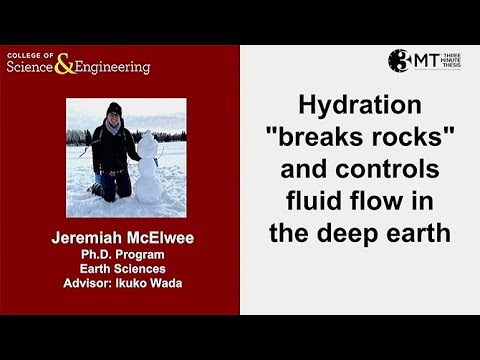
Subduction zones generate earthquakes, tsunamis, and volcanoes, yet their behavior varies between regions. This research investigates how water released from subducting plates interacts with surrounding rocks. Using supercomputer simulations, it models hydration-driven cracking and fluid migration, revealing patterns that may influence where earthquakes and volcanic activity occur.