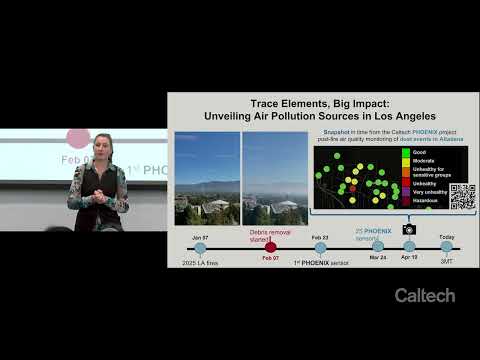
This research investigates the formation and chemical composition of atmospheric aerosol particles, particularly secondary organic aerosols formed through oxidation of organic gases. Using a large controlled atmospheric chamber, the work studies how environmental conditions influence aerosol chemistry, improving understanding of air pollution, climate impacts, cloud formation, and human health effects.

This research develops a high-resolution chemical method for analyzing tree rings to reconstruct past climates and ecosystem responses. By measuring atomic-scale chemical variations within cellulose molecules, the study separates environmental signals from biological responses, enabling more detailed understanding of historical climate change, plant physiology, and long-term ecosystem adaptation.

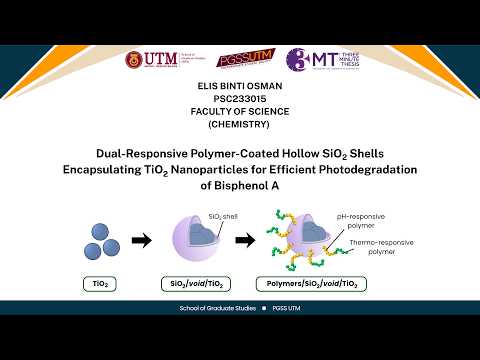
This research tackles removal of Bisphenol A from water using light-activated materials. By combining titania with a silica shell and a responsive polymer “gate,” the system adapts to changing conditions like pH and temperature, improving pollutant breakdown under visible light and enabling smarter, more efficient water purification.

This talk explains how everyday consumer chemicals, especially in food and personal care products, can affect human and environmental health. It urges consumers to look beyond marketing claims, read ingredient lists carefully, understand which labels are meaningful, and reduce exposure to problematic compounds such as parabens and fragrances.

Traces of pharmaceuticals increasingly contaminate water through human use and improper disposal. This research studies advanced oxidation processes—using UV light, ozone, and hydrogen peroxide—to break down these persistent pollutants. Optimizing these treatments helps protect ecosystems and public health by ensuring clean, safe, pharmaceutical-free drinking water.

This research develops stable-isotope tools to measure how microbes—the Earth’s “lungs”—breathe CO₂ in and out. Microbes are massively abundant and shape global climate. Findings show deep subsurface environments slowly emit CO₂, a process that may influence future climate dynamics as human-driven environmental changes accelerate.

Textile waste in Australia decomposes slowly and releases toxic chemicals. Natural fibres like cotton could be composted, but dyes and treatments hinder breakdown. This PhD develops a new compost-testing method, measures dye impacts, and identifies toxic residues. The work will inform Australia’s first composting standard and help industry choose safer, circular textile dyes.