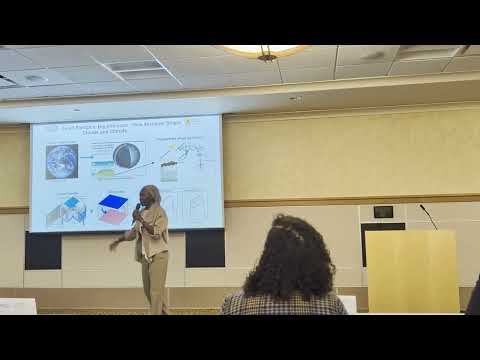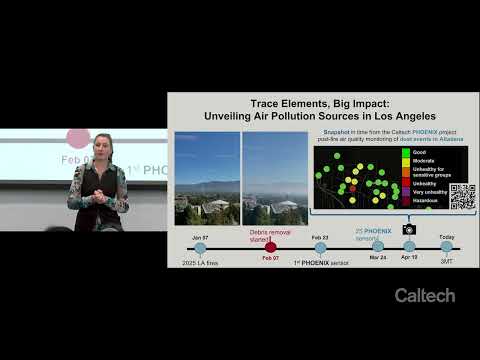
This research investigates the formation and chemical composition of atmospheric aerosol particles, particularly secondary organic aerosols formed through oxidation of organic gases. Using a large controlled atmospheric chamber, the work studies how environmental conditions influence aerosol chemistry, improving understanding of air pollution, climate impacts, cloud formation, and human health effects.
This research improves climate prediction models by developing advanced computational methods for simulating cloud microphysics. By tracking more detailed information about cloud droplets and aerosol interactions, the work enhances understanding of how clouds influence Earth’s energy balance, rainfall, and climate change, helping reduce uncertainty in long-term global climate projections.
This research compares Earth’s energy balance to a personal budget and examines how aerosols—especially black carbon—disturb that balance. By simulating how black carbon interacts with cloud droplets and light, the study helps improve understanding of climate impacts. The goal is better climate modeling and reducing harmful atmospheric pollution.
This research examines how atmospheric aerosols influence cloud formation and rainfall, particularly under turbulent conditions. Using a laboratory cloud chamber and computer modeling, the study investigates how particle size and concentration affect droplet growth. The findings aim to improve climate models and weather forecasting in both polluted and clean environments.