This research investigates how coccolithophores—microscopic marine algae that both absorb and release carbon dioxide—have influenced Earth's carbon cycle over the past three million years. Using fossil sediments, geochemistry, and machine learning, it reconstructs past ocean ecosystems to improve predictions of how marine carbon cycling will respond to future climate change.
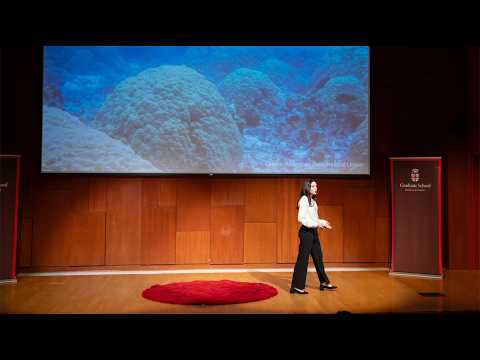
This research reconstructs 200 years of El Niño–Southern Oscillation (ENSO) variability using oxygen isotope records preserved in corals from Christmas Island. By combining coral archives, modern ocean observations, and climate models, it improves understanding of how ENSO is responding to anthropogenic climate change and enhances predictions of future climate extremes.
2026
This research investigates tropical atmospheric waves that influence rainfall, storms, and seasonal weather patterns. Using satellite observations and machine learning, the study shows that wave propagation depends on geographic location, upper-level winds, and topography. The findings can improve weather forecasting models and help communities better prepare for extreme rainfall events.
2025
This research develops a machine-learning and data-assimilation framework that combines idealized and operational Earth systems models into a high-resolution, physically realistic “bridging model.” Applied to the El Niño–Southern Oscillation, the approach improves climate simulation accuracy while enabling exploration of alternative climate regimes and physically consistent what-if scenarios.
This research examines how atmospheric aerosols influence cloud formation and rainfall, particularly under turbulent conditions. Using a laboratory cloud chamber and computer modeling, the study investigates how particle size and concentration affect droplet growth. The findings aim to improve climate models and weather forecasting in both polluted and clean environments.
This research examined Antarctic soils for microplastics and found contamination near human activity at Scott Base and Cape Evans, but none in the remote McMurdo Dry Valleys. The findings reveal one of the last microplastic-free environments and highlight how clothing choices and human presence influence even Earth’s most pristine ecosystems.

This research evaluates whether reflective cool roofs can reduce indoor temperatures and improve health in climate-vulnerable communities. A global randomised controlled trial across four countries will assess impacts on physical and mental health, productivity, and hospitalisations, providing evidence on whether this affordable intervention is cost-effective and capable of saving lives.

The Arctic is no longer pristine. “Forever chemicals” like OPEs and PFAS are accumulating in wildlife and ecosystems, threatening Inuit food sources. By studying Arctic seabirds as early-warning indicators, this research provides critical evidence to inform regulation and protect vulnerable environments and communities.