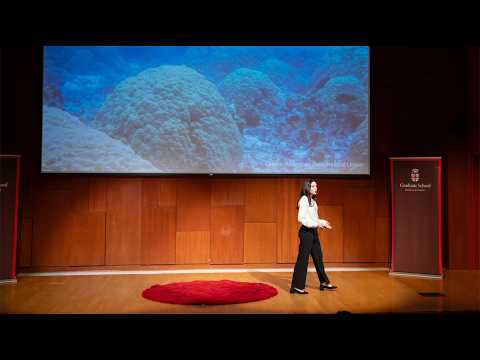
This research reconstructs 200 years of El Niño–Southern Oscillation (ENSO) variability using oxygen isotope records preserved in corals from Christmas Island. By combining coral archives, modern ocean observations, and climate models, it improves understanding of how ENSO is responding to anthropogenic climate change and enhances predictions of future climate extremes.
2025
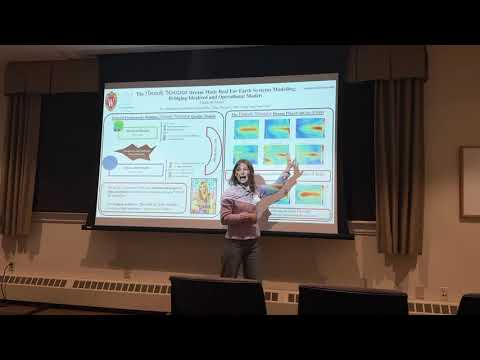
This research develops a machine-learning and data-assimilation framework that combines idealized and operational Earth systems models into a high-resolution, physically realistic “bridging model.” Applied to the El Niño–Southern Oscillation, the approach improves climate simulation accuracy while enabling exploration of alternative climate regimes and physically consistent what-if scenarios.
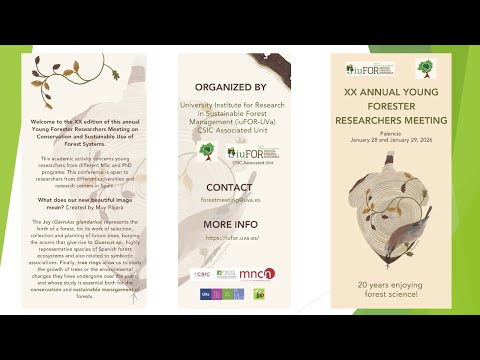
This study modeled wild edible mushroom yields in Mediterranean forests using Planet satellite imagery, LiDAR, climate data, and field measurements. Results show that seasonal NDVI differences, precipitation, and forest structure are key predictors. Integrating high-resolution intra-annual remote sensing significantly improves yield prediction and ecological understanding.