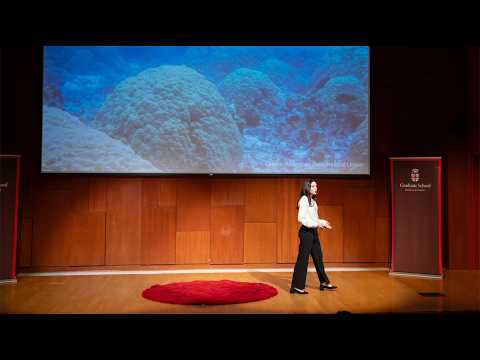
This research reconstructs 200 years of El Niño–Southern Oscillation (ENSO) variability using oxygen isotope records preserved in corals from Christmas Island. By combining coral archives, modern ocean observations, and climate models, it improves understanding of how ENSO is responding to anthropogenic climate change and enhances predictions of future climate extremes.

This research improves flood prediction by analysing data from more than 3,000 rivers worldwide and using local fitting techniques to compare similar weather events. By relying on relevant historical data rather than human intuition, the model aims to produce more accurate flood forecasts and strengthen disaster preparedness under climate change.

2026
This research investigates phosphorus pollution in Lake Warner by comparing water movement and phosphorus transport through urban and forested landscapes. Forests naturally filter phosphorus due to slower water travel and greater infiltration, while urban runoff accelerates pollution. The study identifies how interventions such as rain gardens can reduce phosphorus loading into lakes.
2025
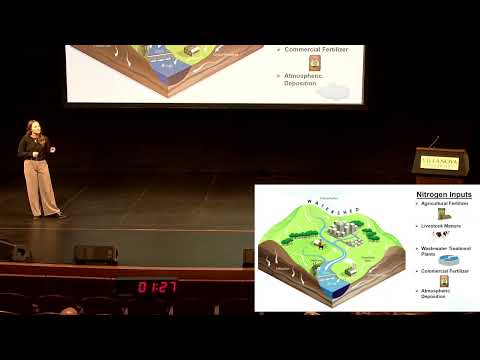
This study investigates how streams retain “memory” of nitrogen pollution from past land use. Using long-term data, it identifies a 3–5 year lag between nitrogen inputs and water quality impacts. It highlights the role of forests as natural filters and emphasizes managing both current and historical pollution to protect water supplies.
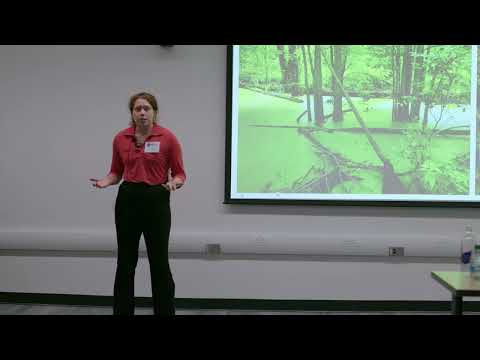
This research investigates methane emissions from restored marshes as a climate solution. While marshes sequester CO₂, their methane output varies widely. By measuring emissions and environmental factors, the study examines how interactions influence outcomes, highlighting that restoration can aid climate mitigation but requires deeper understanding to ensure effectiveness.

2024
This study tested sustainable alternatives to sand for Texas rain-garden soils, using waste materials like crushed glass, oyster shell, and expanded shale mixed with clay. All alternatives performed as well as sand in draining stormwater. These findings support affordable, scalable, and environmentally friendly strategies to reduce urban flooding amid rising climate-driven flood risks.