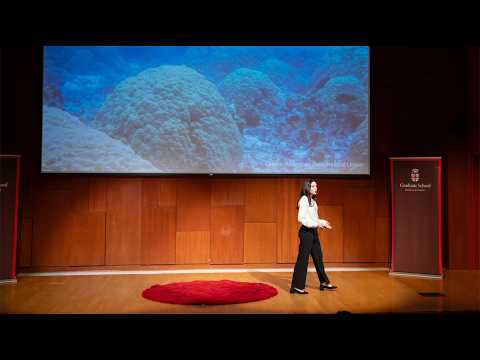
This research reconstructs 200 years of El Niño–Southern Oscillation (ENSO) variability using oxygen isotope records preserved in corals from Christmas Island. By combining coral archives, modern ocean observations, and climate models, it improves understanding of how ENSO is responding to anthropogenic climate change and enhances predictions of future climate extremes.
2025
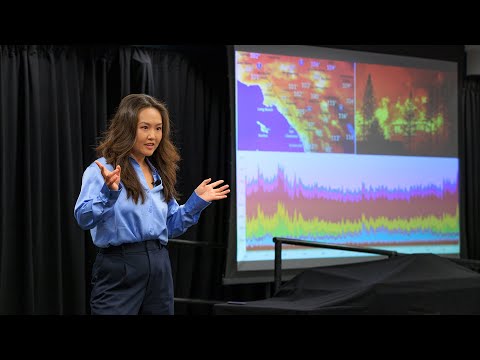
This research uses functional regression to forecast how climate change will affect electricity demand across California. By modeling complete demand patterns rather than isolated data points, it aims to help design smarter, more resilient, and more equitable power grids that reduce outages during increasingly frequent heatwaves and extreme weather.
2026
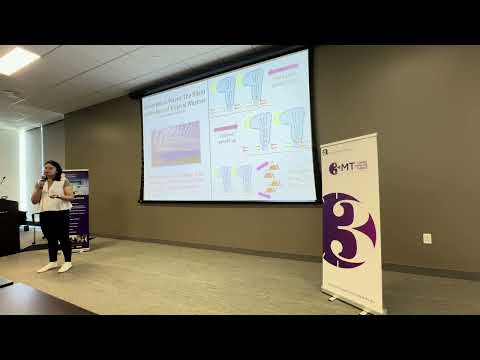
This research investigates tropical atmospheric waves that influence rainfall, storms, and seasonal weather patterns. Using satellite observations and machine learning, the study shows that wave propagation depends on geographic location, upper-level winds, and topography. The findings can improve weather forecasting models and help communities better prepare for extreme rainfall events.
2025
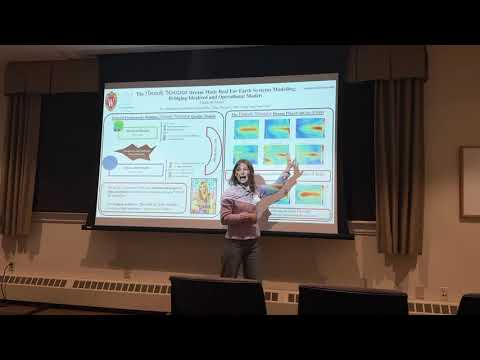
This research develops a machine-learning and data-assimilation framework that combines idealized and operational Earth systems models into a high-resolution, physically realistic “bridging model.” Applied to the El Niño–Southern Oscillation, the approach improves climate simulation accuracy while enabling exploration of alternative climate regimes and physically consistent what-if scenarios.

2026
This research improves weather and climate forecasting by studying how dry air mixes into thunderstorm clouds, a process called entrainment. Using satellite observations, radar data, and interpretable machine learning, the work refines outdated cloud physics models, helping scientists better predict severe weather, hurricanes, and long-term climate behavior.

This research compares Earth’s energy balance to a personal budget and examines how aerosols—especially black carbon—disturb that balance. By simulating how black carbon interacts with cloud droplets and light, the study helps improve understanding of climate impacts. The goal is better climate modeling and reducing harmful atmospheric pollution.

This research uses computer simulations to predict how Greenland’s ice mélange—the icy “cork” stabilizing glaciers—will melt under climate warming. Results show ocean temperatures drive melting twice as strongly as air temperatures. A new equation from this work helps improve climate models and reduce uncertainty in future sea-level rise.

The researcher studies how clouds on distant exoplanets affect their climates and potential for life. Working with NASA, they model how exotic materials—like iron or sapphire clouds—absorb and reflect light. They found particle shape greatly influences temperature and habitability, helping determine whether alien worlds could support liquid water and life.