
This research investigates geometric surfaces with prescribed mean curvature, inspired by the physics of bubbles. By constructing new mathematical surfaces from spheres and unduloids, it explores how curvature changes under motion, providing new insights into differential geometry and the mathematics that precisely describes physical phenomena.
2025
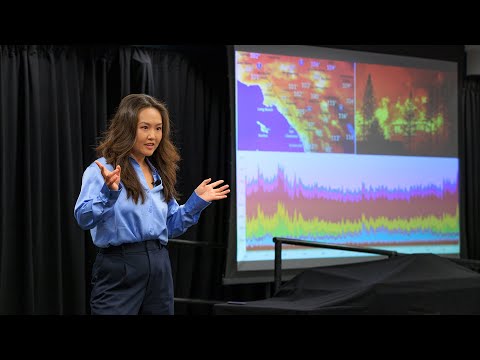
This research uses functional regression to forecast how climate change will affect electricity demand across California. By modeling complete demand patterns rather than isolated data points, it aims to help design smarter, more resilient, and more equitable power grids that reduce outages during increasingly frequent heatwaves and extreme weather.
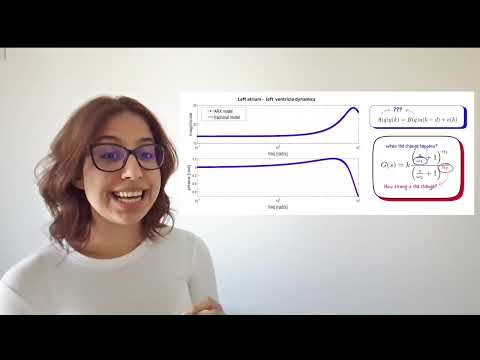
This research presents a new fractional mathematical model for cardiovascular dynamics that maintains the accuracy of traditional methods while greatly reducing complexity. Using only five interpretable parameters instead of twenty, the model analyzes blood pressure in the frequency domain, providing clearer insight into heart function and offering potential improvements for diagnosis and treatment.