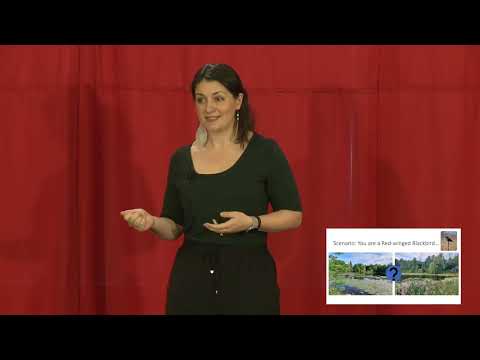
This research examines whether stormwater management ponds support bird biodiversity as effectively as natural wetlands. Focusing on red-winged blackbirds, it compares habitat quality and ecological drivers of species diversity. With widespread wetland loss, findings aim to improve pond design and retrofitting to better support wildlife within urban environments.
This research explores how urban environments can support pollinators despite habitat loss and fragmentation. It highlights the importance of diverse planting, connected green spaces, and less intensive maintenance. By rethinking urban design and aesthetics, cities can become viable ecosystems that sustain pollinators essential for food systems and biodiversity.
2026
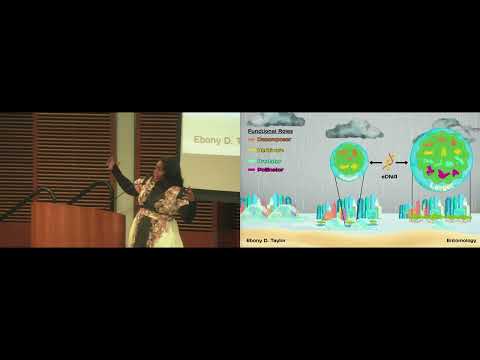
This research investigates whether small mangrove patches can effectively protect coastal areas from hurricanes. Using insect biodiversity and environmental DNA, it evaluates ecosystem functionality across patch sizes. The goal is to identify the minimum viable size for resilient mangrove systems, informing urban planning and improving coastal protection in space-limited environments.
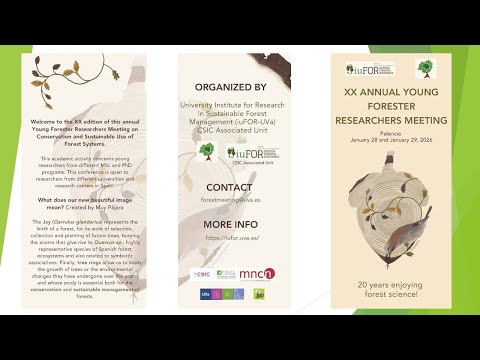
This project developed a strategic plan for urban green infrastructure in a small Spanish municipality. It created a detailed inventory, assessed condition and functionality, applied indicators, and classified areas using a traffic-light system. The study proposed improvement actions, ecological corridors, and a five-year implementation plan.