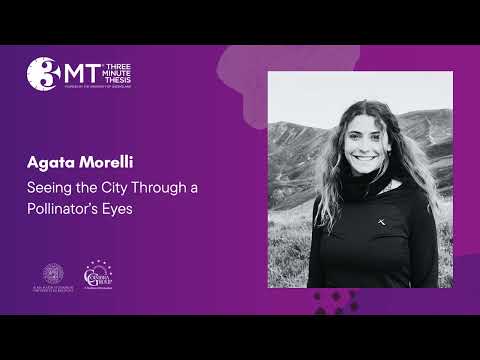
This research explores how urban environments can support pollinators despite habitat loss and fragmentation. It highlights the importance of diverse planting, connected green spaces, and less intensive maintenance. By rethinking urban design and aesthetics, cities can become viable ecosystems that sustain pollinators essential for food systems and biodiversity.

2017
Varroa mites—long assumed to feed on bee blood—actually consume the honeybee’s fat body, a vital organ responsible for immunity, detoxification, and metabolism. Using fluorescent staining and artificial “decoy bees,” the study shows Varroa require fat body to survive and reproduce. Targeting this tissue could revolutionize strategies to protect collapsing honeybee populations.