
This research develops antibacterial nanostructured surfaces inspired by natural materials such as cicada wings. The engineered surfaces physically rupture bacteria using nanoscale needle-like structures, avoiding traditional antibiotics and reducing the likelihood of antibiotic resistance. The technology could improve infection control in medical devices, implants, and hospital environments.

Using a Twilight analogy, this research explains antibiotic-resistant bacteria as “vampires” protected by membranes. By crystallizing membrane proteins and analyzing them with X-ray techniques, the study reveals their structure and function. This enables precise drug design to block these proteins, potentially overcoming antibiotic resistance and targeting harmful bacteria more effectively.
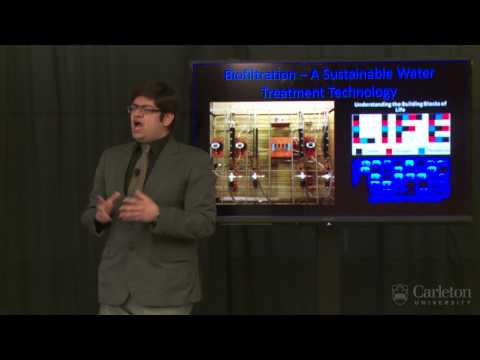
This research explores biofiltration as a sustainable alternative to chemical water treatment. By supplying bacteria with nutrients like nitrogen and phosphorus, it improves removal of harmful organic matter. Results show a 20% efficiency increase, reducing chemical use and risks, and offering a cost-effective solution for safe drinking water worldwide.

This research develops a membrane-based wastewater treatment system that selectively supports nitrogen-removing bacteria without energy-intensive aeration or added organic matter. By enabling efficient biological nitrogen removal, the approach reduces greenhouse gas emissions, lowers costs, and makes advanced wastewater treatment more accessible—protecting aquatic ecosystems and water quality.

2025
A hidden evolutionary arms race unfolds between bacteria and the viruses that attack them. By understanding how bacteria cut and rearrange DNA through recombination, researchers can harness these mechanisms for precise gene editing. This work could enable powerful new treatments for genetic diseases, helping patients like the first personalised-therapy recipient, KJ.