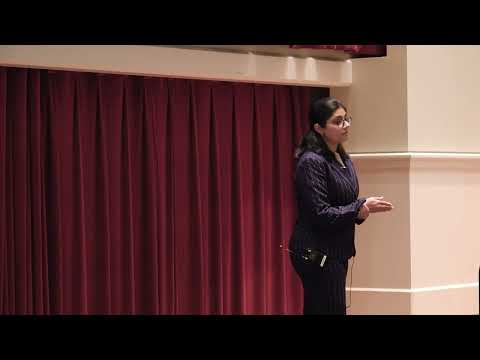
This research investigates why supersonic aircraft engines fail under turbulent atmospheric conditions. Using high-performance supercomputer simulations, the study models airflow disruptions around supersonic engines to identify early warning signs of instability. The work aims to improve engine reliability and help revive safe, efficient supersonic passenger air travel.
2026
2026
Inspired by bird flight, this research investigates how wingtip feathers influence aerodynamics. Using bioinspired design, 3D-printed models, and wind tunnel experiments, it isolates the effects of feather separation, bending, and twisting. These insights improve aircraft stability, lift, and maneuverability, offering pathways to safer and more efficient aviation in turbulent environments.
2025
This research improves aviation efficiency by using tiny vortex generators to control turbulent airflow over airplane wings. These structures reduce drag, save fuel, and cut carbon emissions—potentially eliminating 600,000 tons of CO₂ annually. It's a small aerodynamic change with a massive global impact for greener, more sustainable air travel.