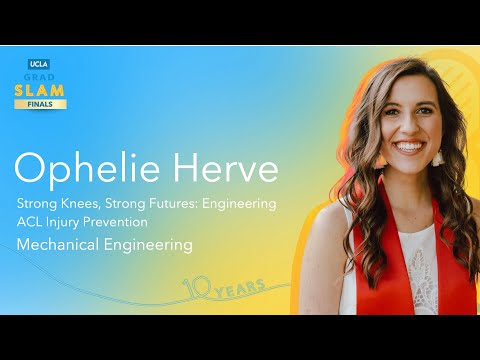
This research develops a robotic system capable of reproducing real-world knee motions and ACL injury mechanisms in human cadaver knees. The platform enables realistic testing of injury-prevention technologies, improves understanding of ACL rupture biomechanics, and may help reduce injury risk, particularly among women who experience higher ACL injury rates.
2026
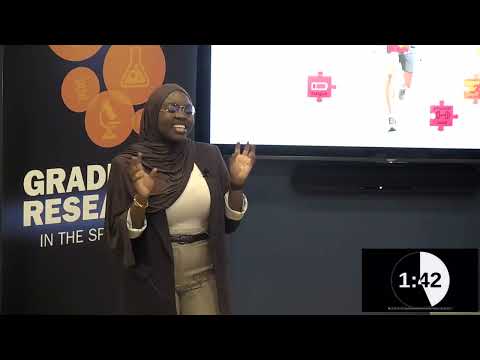
This research addresses exercise-related injuries by modeling individual physical capacity rather than relying on population averages. Using physiological and biomechanical data combined with machine learning, it aims to create personalized, dynamic thresholds for training. The goal is to prevent injury by aligning workload with real-time capacity, improving safety and long-term fitness outcomes.
2025
This research examines disrupted brain–muscle communication following ACL reconstruction. While surgery restores mechanical stability, sensory deficits remain, causing neuromuscular impairments. By studying real-time neural control during varying muscle contractions, balance, and dual-task conditions, the project aims to improve rehabilitation strategies and reduce reinjury risk through enhanced neuro-muscular coordination.
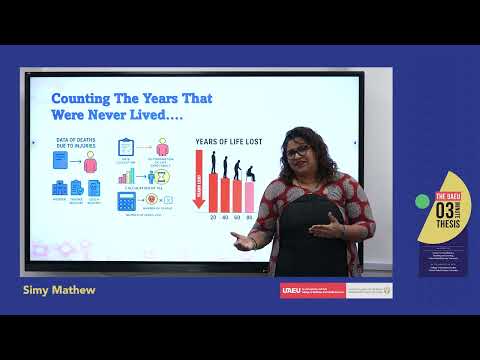
This research quantifies years of life lost due to preventable injuries such as road traffic accidents, falls, and drowning. By identifying injuries with the greatest impact on premature mortality, it aims to guide public health policies toward targeted prevention strategies that save lives.

This research investigates whether ballet training can reduce fall risk in older adults. Comparing dancers to non-dancers during unexpected slips, ballet-trained participants showed better stability, faster muscle responses, and fewer falls. The project aims to develop a validated ballet-based fall-prevention syllabus that could significantly improve independence and reduce healthcare costs.