
This research engineers DNA-modified exosomes to deliver drugs precisely to cancer cells while avoiding healthy tissue. By disguising natural cell-targeting signals and adding programmable DNA targeting molecules, the platform could reduce treatment side effects and provide a modular delivery system adaptable to many cancers and other diseases.

This research develops orally administered nanoparticles that target the lymphatic system to treat lupus and osteoporosis simultaneously. By delivering drugs directly to affected tissues while avoiding the bloodstream, the approach reduces toxicity, suppresses inflammatory and bone-damaging genes, and offers a more effective strategy for treating these complex chronic diseases.

This research develops orally administered nanoparticle therapies for metronomic chemotherapy in ovarian cancer. By delivering smaller drug doses directly to tumours over extended periods, it aims to reduce side effects, overcome drug resistance, improve patient quality of life, and make long-term cancer treatment easier and more effective.
2025
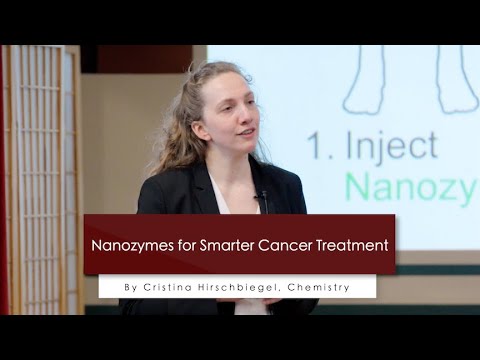
This research develops “nanozymes,” nanoparticle-based catalysts that activate cancer drugs directly at tumor sites. Instead of carrying large amounts of chemotherapy drugs, nanozymes locally trigger inactive drugs into their active form only within cancer tissue. Early mouse studies show effective tumor destruction with significantly reduced side effects compared to conventional chemotherapy.

This research highlights the limitations of current food safety detection and introduces nanoparticle-based smart packaging. These nanosensors detect gases from spoilage and signal safety through colour changes. By replacing guesswork with real-time indicators, this approach could prevent foodborne illness, improve consumer confidence, and modernise food safety in an increasingly technological world.
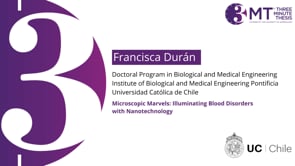
This research develops a nanoparticle-based diagnostic test for thrombotic thrombocytopenic purpura (TTP), a rare and deadly blood disorder. By enabling fast, affordable detection of the ADAMTS13 enzyme, the system could allow earlier diagnosis, timely treatment, and improved survival while inspiring new approaches to rare disease diagnostics.
2025
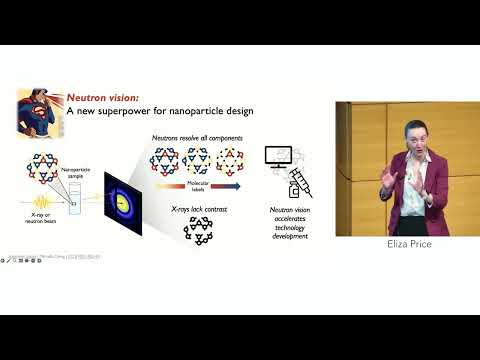
This research uses neutron scattering — “neutron vision” — to reveal the full structure of complex nanoparticles that X-rays can’t fully resolve. By developing statistical methods to optimise experiment design and analyse data, the project enables clearer structural insights, accelerating the development of advanced materials for energy, medicine and nanotechnology.