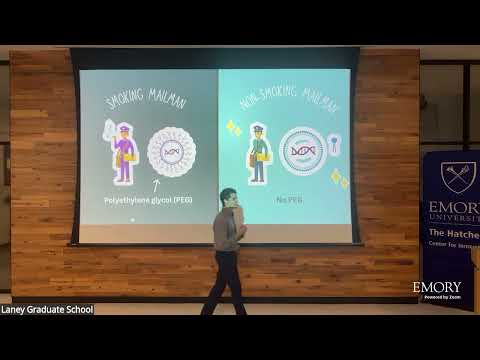
This research develops hybrid lipo-polymeric nanoparticles that overcome major limitations of current mRNA vaccine technology. The particles can be freeze-dried, rapidly loaded with mRNA, and simultaneously deliver therapeutic drugs. Their flexibility improves vaccine storage and distribution while enabling powerful combination therapies, including enhanced cancer treatments with improved survival in preclinical models.

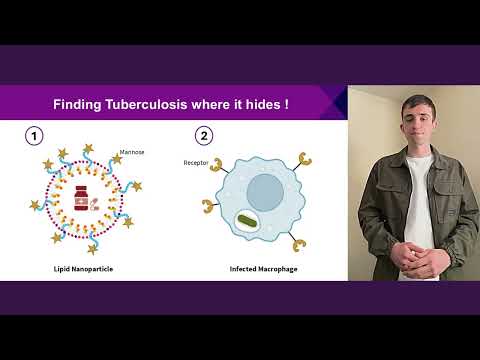
This research develops targeted lipid nanoparticle delivery systems to improve tuberculosis treatment and vaccination. By replacing PEG coatings and using mannose to target infected macrophages, it aims to deliver drugs more effectively, reduce treatment duration, improve vaccine performance, and contribute to the global elimination of tuberculosis.

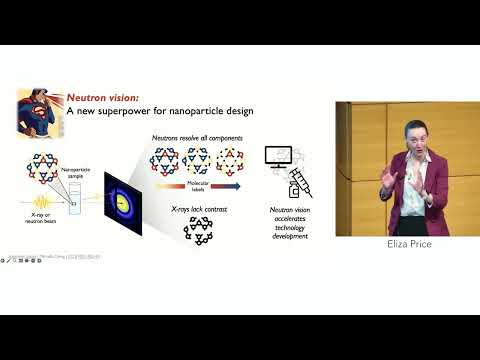
This research uses neutron scattering — “neutron vision” — to reveal the full structure of complex nanoparticles that X-rays can’t fully resolve. By developing statistical methods to optimise experiment design and analyse data, the project enables clearer structural insights, accelerating the development of advanced materials for energy, medicine and nanotechnology.

Human T-cell Leukemia Virus (HTLV) is a highly neglected virus that causes leukemia and neurodegeneration, with no current treatment. The researcher has developed siRNA-based RNA drugs that suppress the virus by up to 90%, prevent reactivation, and can be delivered via a nasal spray. This breakthrough could become the first effective antiviral therapy for HTLV.