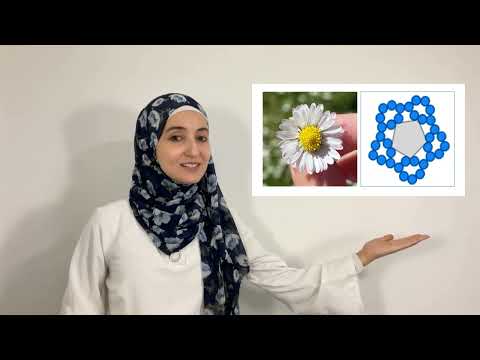
This research develops innovative three-dimensional "daisy" particle structures to improve inhaled medicines. Using Isothermal Dry Particle Coating, it prevents fine drug particles from clumping, ensuring they reach the lungs effectively. The work aims to improve inhaler performance and treatment for the 300 million people worldwide living with respiratory diseases.
This research develops a physics-based method for measuring lung elasticity from medical imaging to predict which emphysema patients will benefit from lung valve treatment. By creating detailed elasticity maps, the work aims to improve treatment selection, enhance patient outcomes, and provide new quantitative tools for assessing lung health.
This research develops an inhalable treatment for lung infections using nanocrystalline silver with both antimicrobial and anti-inflammatory properties. By adapting proven skin-based technology for respiratory delivery via nebulization, it targets both pathogens and harmful inflammation, addressing a major gap in lung disease treatment affecting over a billion people worldwide.

Acute respiratory distress syndrome (ARDS) causes severe breathing failure and kills tens of thousands annually, yet has no effective treatment. This research studies how ARDS disrupts lung surfactant, a critical stabilizing substance in the lungs. By identifying immune-related factors that damage surfactant, the work aims to develop the first targeted therapeutic cure.