
This research investigates how lung mucus and its mucin molecules defend against Coccidioides, the fungus that causes Valley fever. By showing that mucins slow fungal growth, the work suggests mucus shapes infection before symptoms appear, opening new possibilities for earlier diagnosis and treatments against Valley fever and other infectious diseases.
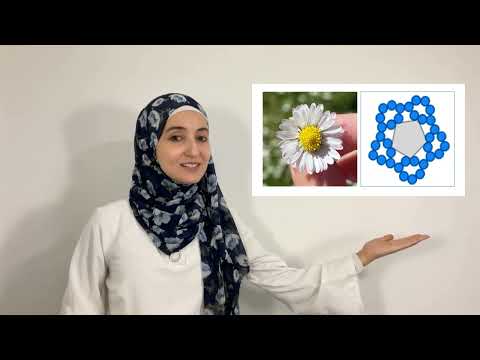
This research develops innovative three-dimensional "daisy" particle structures to improve inhaled medicines. Using Isothermal Dry Particle Coating, it prevents fine drug particles from clumping, ensuring they reach the lungs effectively. The work aims to improve inhaler performance and treatment for the 300 million people worldwide living with respiratory diseases.

This research develops a physics-based method for measuring lung elasticity from medical imaging to predict which emphysema patients will benefit from lung valve treatment. By creating detailed elasticity maps, the work aims to improve treatment selection, enhance patient outcomes, and provide new quantitative tools for assessing lung health.