
This research investigates how lung mucus and its mucin molecules defend against Coccidioides, the fungus that causes Valley fever. By showing that mucins slow fungal growth, the work suggests mucus shapes infection before symptoms appear, opening new possibilities for earlier diagnosis and treatments against Valley fever and other infectious diseases.
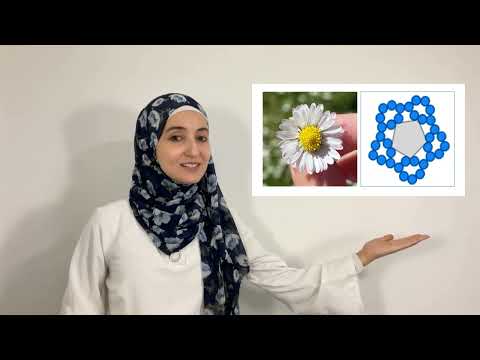
This research develops innovative three-dimensional "daisy" particle structures to improve inhaled medicines. Using Isothermal Dry Particle Coating, it prevents fine drug particles from clumping, ensuring they reach the lungs effectively. The work aims to improve inhaler performance and treatment for the 300 million people worldwide living with respiratory diseases.
This research explores asthma by recreating lung airways using 3D bioprinting. By simulating low-oxygen conditions and imaging structural changes, it investigates how exaggerated immune responses narrow airways. These models enable detailed study of disease mechanisms and offer a platform to develop treatments, ultimately advancing efforts toward preventing or curing asthma.
Respiratory Syncytial Virus (RSV) hospitalises thousands of children each year, yet effective treatments remain unavailable. This research investigates a critical protein–protein interaction that enables RSV infection. By identifying and disrupting key molecular binding sites using AI, the work aims to support the development of targeted antiviral therapies for severe RSV.
This research targets the earliest stage of allergic and asthmatic immune reactions by blocking key cytokine “messages” sent from T cells to B cells. Using drug-discovery techniques, the project identifies compounds that prevent immune overreaction before symptoms begin, aiming to develop a new class of long-lasting preventative allergy and asthma treatments.