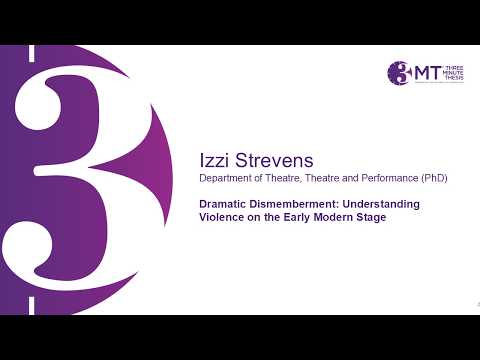
This research examines dismemberment in early modern drama to explore how cultural systems shape human responses to violence. By analysing plays such as Titus Andronicus, the project argues that fear and disgust are historically conditioned rather than purely instinctive, revealing how societies teach audiences to interpret violent imagery across different historical periods
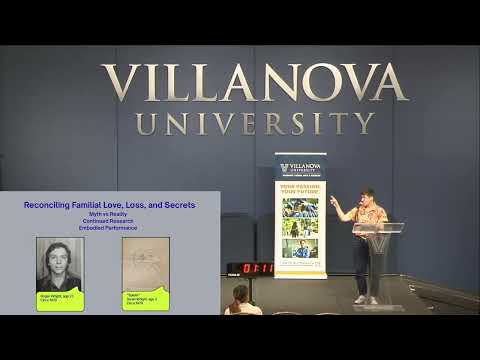
A rediscovered childhood drawing sparked an exploration of a deceased uncle’s life through his writings and letters. The research reveals themes of secrecy, sexuality, and isolation, raising intergenerational questions about identity, family, and belonging. This personal and archival investigation forms the basis of a solo play examining memory, legacy, and self-understanding.
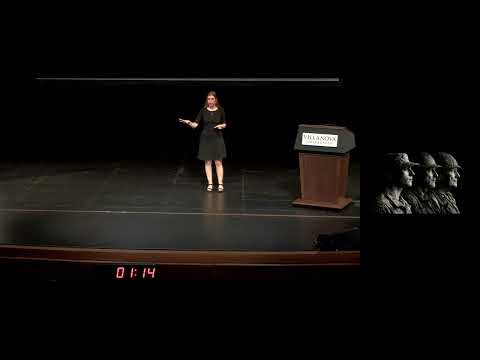
Career paths and life patterns are often transmitted across generations not through explicit instruction but through embodied habits and daily behaviors. Analyzing a play about intergenerational military service, this research shows how subconscious routines shape identity, highlighting how recognizing these patterns allows individuals to consciously break cycles or build new legacies.