
This oral history project explores how Nigerian secondary schools shape political identity, civic engagement, and national belonging across generations. Through interviews and documentary storytelling, the research reveals that schools function as microcosms of the nation, forming students’ relationships to society, politics, and migration in ways that continue long after graduation.

2026
This research explores why former human traffickers in Indonesia stopped offending. Through interviews with ten ex-traffickers, the study found that marriage and parenthood often triggered moral transformation by creating empathy and shame. The findings suggest trafficking prevention should focus not only on punishment, but also on strengthening families and social bonds.
2026
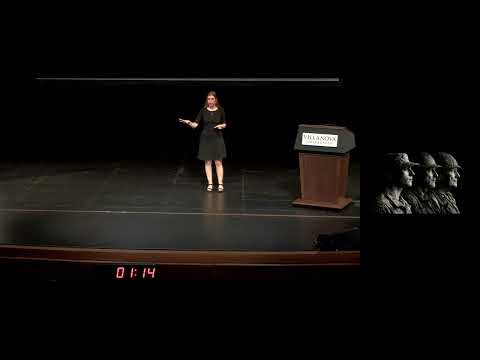
Career paths and life patterns are often transmitted across generations not through explicit instruction but through embodied habits and daily behaviors. Analyzing a play about intergenerational military service, this research shows how subconscious routines shape identity, highlighting how recognizing these patterns allows individuals to consciously break cycles or build new legacies.

This research explores how knitting reshapes contemporary masculinity. Interviews with male knitters reveal more flexible, inclusive identities that challenge traditional norms. Participants describe increased emotional openness, acceptance, and alternative expressions of care. The study highlights how everyday practices like knitting can transform gender expectations and broaden definitions of masculinity.

This research examines how cultural narratives of “monsters” shape legal perceptions of marginalized groups, particularly queer people of color. Using a utopian framework, it proposes equity-based reforms to the criminal justice system, addressing the intersection of race and sexuality and amplifying underrepresented voices in legal scholarship and social justice discourse.

This research explores “emotional infrastructure” in cities—small, often overlooked traces like graffiti and stickers that foster connection and belonging. It argues that urban experience is shaped not just by physical structures but by shared emotional signals, urging people to break out of digital isolation and engage with the lived environment around them.

This research examines how social networks influence life outcomes, showing that cross-income friendships significantly improve earnings, well-being, and social trust for low-income individuals. Using large-scale data, it demonstrates that environment shapes opportunity, highlighting the importance of institutions like universities in fostering connections that can transform lives and promote social mobility.

2026
This research challenges the narrative that Buddhism in US prisons primarily serves rehabilitation. It highlights the active role of incarcerated individuals in shaping religious practice and critiques simplistic contrasts between “prisoner” and “Buddhist.” By emphasizing diversity, community, and structural conditions, it calls for a more nuanced understanding of religion within carceral systems.

This thesis explores how whiteness operates as an invisible cultural norm in Australia by analysing Aboriginal accounts of exclusion and marginalisation. Through creative and critical methods, the research reveals how white cultural dominance shapes social life and highlights the need for awareness, debate, and structural change to build a more equitable nation.